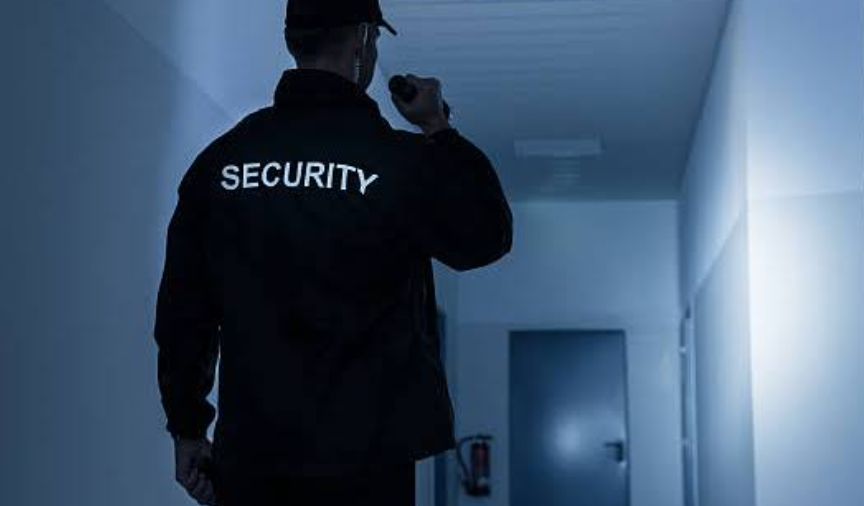
On a cold January morning in 2026, employees arriving at an industrial warehouse in Edmonton discovered something every business owner fears. During the night, thieves had cut through the perimeter fence, forced open a loading bay door, and stolen thousands of dollars’ worth of tools, copper wiring, and specialized equipment. The surveillance cameras captured everything—in high-definition, crisp video—but only after the suspects had already disappeared into the dark.
Unfortunately, this story is becoming increasingly common across Alberta.
Construction sites are losing heavy equipment overnight. Warehouses continue to report organized cargo theft. Commercial properties face repeated vandalism, copper theft, and unauthorized entry. Even office buildings and condominium developments are seeing an increase in after-hours trespassing, package theft, and property damage.
While modern security technology has advanced dramatically, one reality remains unchanged: cameras record incidents, but trained security professionals prevent them.
Across Edmonton, Calgary, Fort McMurray, Grande Prairie, Red Deer, and communities throughout Alberta, organizations are recognizing that professional security guard services are no longer an optional operating expense—they are an essential component of risk management, business continuity, and asset protection.
1. What Professional Security Guard Services Actually Mean Today
Mention “security guards,” and some still picture an individual sitting behind a desk reading a book or making passive hourly rounds. In 2026, that image is completely obsolete. Modern security guard services in Alberta represent a proactive, highly trained, and technology-integrated discipline designed to protect people, property, and operational continuity.
+——————————————————————-+
| MODERN PROFESSIONAL SECURITY GUARDS |
+————————————+——————————+
| Proactive Deterrence & Patrols | Detailed Digital Reporting |
| Access Control & Visitor Vetting | De-escalation & Conflict Res |
| Rapid Emergency Response | Site Safety & Hazard Audits |
+————————————+——————————+
Today’s professional security officers serve as the frontline defense for enterprise risk management. Their core responsibilities encompass five vital functions:
See also: Strengthening Business Agility in a Data-Driven Economy
Proactive Deterrence and Visible Presence
Crime prevention begins with deterrence. A uniformed security guard provides an immediate, highly visible physical deterrent that static cameras and warning signs cannot replicate. Opportunistic thieves and organized criminal groups look for easy targets; a dynamic physical presence alters their cost-benefit analysis instantly.
Access Control and Perimeter Integrity
Managing who enters and exits a property is fundamental to asset security. Professional security guards manage gatehouses, verify credentials, log visitor and vendor access, check bill of ladings for transport trucks, and maintain strict control over sensitive operational zones.
Emergency Response and Incident Command
When an event occurs—whether a break-in attempt, a fire alarm activation, a water leak, or a medical emergency—a physical guard provides immediate, clear-headed intervention. They assess the situation, initiate containment protocols, liaise directly with first responders (police, fire, EMS), and secure the scene to preserve evidence.
Incident Reporting and Risk Audits
Modern guards are equipped with digital reporting software. Instead of paper logbooks, they document observations, safety hazards, maintenance issues (like broken latches or burnt-out exterior lighting), and security breaches in real time, uploading photos and GPS-verified timestamps to centralized management dashboards.
Customer Service and Public Liaison
In commercial, retail, and healthcare settings, security officers are often the first point of contact for visitors, clients, and employees. They blend firm security enforcement with professional customer service, offering directions, escorting staff to vehicles after dark, and de-escalating tense interpersonal interactions before they turn violent.
2. The Changing Alberta Security Landscape
The demand for professional security guard services in Alberta has surged due to shifting socioeconomic factors, evolving criminal tactics, and macro-economic pressures impacting western Canadian businesses.
[Rising Metal & Equipment Valuations]
│
▼
[Organized Retail & Cargo Theft Networks] ──► [INCREASED RISK ENVIRONMENT FOR ALBERTA BUSINESSES]
▲
│
[Police Response Prioritization]
The Copper and Critical Metal Epidemic
Driven by global supply constraints and electrification trends, the value of copper, industrial wiring, and specialized scrap metals remains at historic highs. Alberta’s construction sites, industrial yards, utility sub-stations, and vacant commercial properties have become prime targets for organized scrap-metal theft operations. Stripping a commercial site of its copper electrical lines can cause hundreds of thousands of dollars in structural damage to steal a fraction of that value in raw metal.
Organized Cargo and Warehouse Theft
According to reports from national insurance institutions, cargo theft across Western Canada has shifted from opportunistic opportunistic grabs to highly organized criminal syndicates. Warehouses and distribution hubs along the Queen Elizabeth II (QEII) Highway corridor between Edmonton and Calgary face sophisticated surveillance, fraudulent pickup attempts, and night-time break-ins targeting high-value freight, consumer electronics, and building supplies.
Police Priority Shifts and Delayed Response Times
Law enforcement agencies across Alberta, including the Edmonton Police Service (EPS) and Calgary Police Service (CPS), are operating under heavy operational demands. As police resources are directed toward violent crime and active public safety threats, priority levels for unverified property alarms or post-incident property damage reports have shifted. A traditional property alarm may take hours for police dispatched response if unverified—leaving a breached facility completely exposed. A private mobile patrol in Alberta or dedicated visual guard on site ensures immediate verification and physical containment.
Vacant Properties and Urban Infill Risks
Commercial real estate transitions, office down-sizings, and prolonged development timelines have left properties vacant for extended periods. Vacant structures quickly become magnets for squatting, vandalism, pipe stripping, and arson. Professional guards maintain the physical vigilance necessary to prevent an unoccupied asset from becoming a major liability.
3. Why Businesses Can No Longer Rely Solely on Cameras
Technology vendors often pitch remote camera surveillance as a complete, standalone replacement for physical security guards. While Closed-Circuit Television (CCTV) and AI-driven video analytics are powerful tools, relying exclusively on cameras creates a dangerous vulnerability in a business’s security posture.
Key Difference: Surveillance cameras record what happened; trained security guards influence what happens next.
| Security Feature | CCTV & Remote Surveillance | Professional Security Guards |
| Primary Action | Observation & Evidence Collection | Physical Interception & Prevention |
| Deterrence Factor | Moderate (often ignored by masked perpetrators) | Maximum (physical human presence) |
| Active Response | None (relies on dispatching external parties) | Immediate, on-site physical intervention |
| Adaptability | Fixed field of view; vulnerable to blind spots | Dynamic patrols; investigates unusual sights/sounds |
| Access Control | Automated/Remote (can be bypassed) | Hands-on physical verification and credential checking |
| Safety Interventions | Cannot clear hazards, control fires, or aid injured | Immediate hazard mitigation, first aid, and emergency coordination |
The Mask and Hoodie Problem
Modern criminals understand camera mechanics. A hood, a face mask, dark clothing, and a stolen vehicle with swapped license plates effectively render high-definition 4K camera footage useless for criminal identification or prosecution. Knowing they have 15 to 30 minutes before off-site monitoring can dispatch law enforcement, perpetrators execute smash-and-grab operations with impunity—unbothered by flashing lights or speakers shouting warnings.
Camera Blind Spots and Mechanical Failures
Cameras can only see where they are pointed. Fog, heavy snowfall, ice buildup on lenses, power outages, network disconnects, and physical tampering routinely blind automated systems. Security officers physically walk perimeters, check unlit alcoves, test door latches, inspect window seals, and detect subtle anomalies—like the smell of smoke or an unusual gas hiss—that a lens can never capture.
4. Industry-Specific Security Demands Across Alberta
Security risks are not uniform across sectors. The protective strategies deployed at an oil sands facility outside Fort McMurray differ vastly from those required at a downtown Calgary high-rise or a retail logistics hub in Red Deer.
[INDUSTRIAL & ENERGY] ──► Critical Infrastructure, Asset Protection, Gate Access
[CONSTRUCTION] ──► Machinery, Material Theft, Perimeter Defense
[COMMERCIAL REAL ESTATE]► Lobby Concierge, Tenant Safety, Parkade Patrols
[WAREHOUSING & LOGISTICS]► Cargo Integrity, Bill-of-Lading Vetting, Dock Security
Construction Sites
Construction sites present a unique combination of open perimeters, high-value assets (heavy equipment, tools, raw copper, lumber), and shifting physical environments.
- The Threat: Equipment theft, diesel fuel siphoning, structural vandalism, and liability claims from unauthorized trespassers.
- The Guard Solution: Construction security guards conduct timed perimeter patrols, manage gate access for subcontractors, enforce safety sign-ins, check equipment logs, and maintain a static guard presence through high-risk overnight and weekend periods.
Commercial Office Towers & Condominiums
High-density properties require a blend of protection and high-caliber customer service.
- The Threat: Unauthorized building entry, parkade break-ins, package theft from mailrooms, vagrancy, and tenant safety concerns.
- The Guard Solution: Uniformed concierge guards control lobby access, verify visitor credentials, conduct frequent parkade sweeps, monitor fire panels, and offer safe walk escorts for late-night office workers.
Industrial Facilities & Manufacturing Plants
Large-scale industrial operations face operational disruptions if security is compromised.
- The Threat: Sabotage, industrial espionage, safety violation liabilities, unauthorized entry into dangerous zones, and property theft.
- The Guard Solution: Industrial security services enforce strict safety compliance, verify safety certifications for contractors entering site gates, check hazardous material placards, conduct thermal perimeter sweeps, and monitor isolated infrastructure.
Warehouses & Logistics Hubs
Logistics centers along major transport corridors handle millions of dollars in inventory daily.
- The Threat: Organized cargo theft, driver fraud, internal shrinkage, and unauthorized loading bay access.
- The Guard Solution: Warehouse security guards manage gatehouses, verify container seal numbers against transport documents, inspect trailer locks, conduct internal floor patrols, and audit employee badge access.
Healthcare Facilities
Hospitals and clinics require guards trained in compassionate, specialized protection.
- The Threat: Workplace violence against staff, unauthorized access to restricted drug stores, emergency room disruptions, and patient safety incidents.
- The Guard Solution: Guards trained in non-violent crisis intervention manage access to sensitive wards, de-escalate aggressive individuals, assist medical staff during code situations, and protect vulnerable patients.
Critical Infrastructure, Energy, & Mining
Alberta’s economic backbone—oil and gas fields, processing plants, mining operations, and utility grids—demands high-level risk mitigation.
- The Threat: Eco-vandalism, copper theft, unauthorized drone surveillance, and critical facility sabotage.
- The Guard Solution: Armed or specialized private security details perform strict entry control, mobile boundary patrols over vast terrain, anti-sabotage inspections, and coordination with regulatory agencies.
Renewable Energy & Data Centres
As Alberta expands its wind, solar, and technology footprint, new asset classes require defense.
- The Threat: Inverter theft at remote solar farms, copper grounding wire theft at wind projects, and physical breach attempts at high-security data facilities.
- The Guard Solution: Combined mobile patrol Alberta sweeps, thermal surveillance monitoring, guard force integration with strict biometric access points, and emergency off-grid response teams.
5. The True Financial Cost of Inadequate Security
Business leaders sometimes view security services purely as a cost center. However, when evaluating the financial impact of a security failure, professional guard services consistently prove to be a high-return investment in risk mitigation.
FINANCIAL IMPACT OF UNPROTECTED LOSSES
┌─────────────────────────────────────────────────────────────────┐
│ Direct Property Loss (Tools, Wiring, Heavy Machinery) │
├─────────────────────────────────────────────────────────────────┤
│ Insurance Deductibles & Surcharges (Spike in Annual Premiums) │
├─────────────────────────────────────────────────────────────────┤
│ Operational Downtime (Idle Crews, Missed Contract Deadlines) │
├─────────────────────────────────────────────────────────────────┤
│ Regulatory Fines & Liability Exposure (OH&S Penalties) │
├─────────────────────────────────────────────────────────────────┤
│ Reputational Damage & Loss of Future Client Bids │
└─────────────────────────────────────────────────────────────────┘
Consider the true costs associated with a single major break-in at a construction or industrial site:
Direct Replacement Costs and Deductibles
Replacing stolen heavy machinery, specialized tools, or stripped copper wire carries immediate capital costs. Even with comprehensive commercial insurance, high deductibles ($10,000 to $50,000+) mean businesses absorb significant out-of-pocket losses on every incident.
Soaring Insurance Premiums
Insurance carriers across Western Canada are tightening underwrite guidelines. Facilities with a history of property loss face skyrocketing annual premiums or policy cancellations. Demonstrating a contract with a licensed private security company in Edmonton or Calgary often serves as a mandatory prerequisite for securing coverage—and frequently yields substantial premium discounts.
Operational Downtime and Schedule Penalties
When critical equipment or electrical infrastructure is stolen, work grinds to a halt. Trade crews sit idle while awaiting replacement supplies, equipment lead times can stretch into months, and contract breach penalties for project delays compound daily.
Occupational Health & Safety (OH&S) Liability
If an unauthorized individual trespasses onto a hazardous industrial or construction site and suffers an injury or fatality, the property owner or general contractor can face rigorous investigations, massive OH&S fines, and civil litigation—regardless of the trespasser’s unlawful intent.
6. How Technology Is Transforming Modern Guarding
The debate between human security and security technology is a false dichotomy. Today’s top security providers integrate advanced technology directly into the hands of their physical guard force.
[AI Monitoring / CCTV] ──┐
├──► Integrated Security Ecosystem
[Smart Access Control] ──┤ (Guards operate with full situational awareness)
│
[GPS Patrol Tracking] ──┘
Real-Time GPS Patrol Tracking & Digital Reporting
Modern security officers carry handheld smart terminals running specialized workforce management software. Physical guard checks are logged via GPS coordinates and NFC (Near Field Communication) tags placed at key checkpoints. Clients receive real-time incident notifications, photo proof of site audits, and automated digital shift logs, providing total operational transparency.
AI-Assisted Remote Guarding and Video Verification
When off-site AI analytics detect suspicious motion on a perimeter fence, the system pushes an alert directly to the on-site guard’s mobile device. The guard immediately investigates the exact location with prior situational awareness, closing the loop between detection and physical response within seconds.
Integrated Access & Drone Co-Patrolling
In vast industrial parks, energy facilities, and large construction footprints, modern guards utilize automated drone patrols to inspect elevated or dangerous areas. Thermal imaging on drones allows guards to spot heat signatures in total darkness before stepping into potentially hazardous situations.
7. Selecting the Right Security Provider in Alberta
Not all security services are created equal. Partnering with an under-trained or under-licensed vendor creates a false sense of security and exposes businesses to legal liabilities.
VENDOR EVALUATION CHECKLIST
[✓] Alberta Solicitor General Licensing & Compliance
[✓] Comprehensive Liability ($5M+) & WCB Coverage
[✓] Site-Specific Protocols & Specialized Officer Training
[✓] 24/7 Dispatch & Field Supervisory Architecture
[✓] Transparent GPS Reporting & Modern Tech Integration
When evaluating a security agency for your Alberta operations, verify these essential criteria:
1. Alberta Licensing and Regulatory Compliance
Ensure the provider is fully licensed under the Alberta Security Services and Investigators Act (SSIA). Every individual officer must hold a valid Alberta Security Guard License, requiring standardized training, background checks, and criminal record reviews through the Alberta Solicitor General.
2. Industry-Specific Training Protocols
Standard security training is a baseline. Ask prospective providers if their guards hold specialized certifications relevant to your sector, such as:
- CSTS (Construction Contractor Safety System)
- H2S Alive (for oil, gas, and industrial environments)
- Standard First Aid & CPR/AED
- Non-Violent Crisis Intervention (NVCI)
- WHMIS (Workplace Hazardous Materials Information System)
3. Supervisory Structure and Dispatch Support
A security officer is only as effective as the field structure supporting them. Inquire about the provider’s local command architecture: Do they operate a 24/7 local dispatch center? Are field supervisors conducting unannounced spot checks to ensure vigilance and compliance?
4. Robust Insurance and WCB Coverage
Verify that the security firm carries a minimum of $5,000,000 in Commercial General Liability Insurance, along with specialized errors and omissions coverage and active Workers’ Compensation Board (WCB) Alberta standing.
8. The Future of Security Guard Services in Alberta
As Alberta’s economic landscape evolves through 2026 and beyond, security guard services will continue to transform into a high-tech, highly specialized discipline.
We are moving toward an era of hybrid risk management. Physical security officers will serve as technology-enabled field commanders—managing AI camera networks, overseeing automated access portals, responding to drone sensor alerts, and applying human judgment, empathy, and decisive physical action where automated systems reach their operational limits.
Businesses that embrace this integrated model will protect their physical assets and gain a competitive edge by minimizing operational disruptions, protecting employee safety, and lowering total risk management costs.
Protecting What Matters Most Across Alberta
In an era of evolving property threats, rising material costs, and strained emergency response resources, leaving your business assets to chance—or relying solely on passive recording devices—is a risk no Alberta organization can afford.
Whether securing a high-rise tower in downtown Calgary, safeguarding an expansive construction project in Edmonton, or protecting remote industrial assets in Fort McMurray, professional security officers provide the decisive, proactive barrier between your enterprise and unexpected loss.
Protect Your Operations with G4U Security Ltd.
As one of Western Canada’s leading security providers, G4U Security Ltd. delivers professional, tech-enabled protective solutions customized for Alberta businesses.
Our fully licensed, rigorously trained officers specialize in:
- Static Uniformed Guarding & Site Access Control
- Mobile Patrols & Rapid Alarm Verification across Alberta
- Construction Site & Industrial Asset Security
- Commercial Real Estate & Concierge Safety
- 24/7 Emergency Guard Deployment
Don’t wait for a security breach to reveal the vulnerabilities in your operational defense. Contact G4U Security Ltd. today for a comprehensive risk assessment and discover how customized security guard services can protect your staff, preserve your property, and secure your bottom line.
- Website: www.g4usecurity.ca
About the Author
Attaullah Mallah is the Founder and Chief Executive Officer of G4U Security Ltd. With extensive leadership experience in physical security, risk management, and protective operations across Western Canada, he has helped hundreds of commercial, industrial, and public sector organizations build resilient, technology-integrated security frameworks designed to meet modern security challenges.
References & Industry Resources
- Statistics Canada – Police-reported crime statistics in Canada and commercial loss trends.
- Alberta Solicitor General and Public Security – Security Services and Investigators Act (SSIA) regulatory standards and licensing.
- Insurance Bureau of Canada (IBC) – Commercial property claims, cargo theft impact, and risk mitigation reporting.
- Canadian Centre for Occupational Health and Safety (CCOHS) – Workplace security, violence prevention, and lone-worker safety guidelines.
- Edmonton Police Service (EPS) & Calgary Police Service (CPS) – Annual crime severity statistics, commercial break-and-enter metrics, and police response priority guidelines.
- Alberta Construction Association (ACA) – Jobsite security best practices, equipment theft metrics, and loss prevention strategies.
- Canadian Security Magazine – Industry trends in technology integration, remote guarding, and physical protection methodologies.