Uber accident claims often take longer because one collision can involve multiple insurance policies, disputed driver status, app records, and competing accounts. A typical crash usually involves two motorists and their personal auto insurers. A rideshare collision adds coverage questions that insurers must review carefully before accepting responsibility. Claimants who understand these delays can preserve evidence, avoid harmful statements, and act quickly as the investigation moves forward.
Multiple insurance policies may apply
A rideshare crash can involve the driver’s personal auto policy, the rideshare company’s commercial coverage, or both. The applicable policy depends on whether the driver was offline, waiting for a ride request, traveling to pick up a passenger, or carrying one.
That status determines which coverage applies. Insurers review app activity, trip records, dispatch information, and the time of the collision before accepting responsibility. This process takes longer than a standard claim under a single personal policy.
A claimant seeking guidance after a collision can consult a Miami Uber accident lawyer to review coverage, preserve evidence, and identify the parties responsible for payment. Legal guidance helps when insurers offer conflicting explanations or delay a clear coverage decision.
Driver status must be established
An Uber driver’s status at the moment of impact affects liability and insurance coverage. The driver could have been transporting a passenger, driving to a pickup location, waiting for a request, or using the vehicle for personal reasons.
The rideshare application contains records that help establish this timeline. Those records can show trip acceptance, pickup location, passenger status, route information, and time-stamped activity. Investigators need these records before determining which policy governs the claim.
The driver’s statements also matter. A driver who describes the trip differently to police, an insurer, and the rideshare company creates a factual dispute. Investigators then need additional interviews and documents.
More parties need to exchange information
A regular crash claim usually involves the injured person, the other driver, and their insurers. A rideshare collision can add the rideshare company, a separate claims administrator, the driver’s personal insurer, and passengers who witnessed the event.
Each party can request different records. Adjusters may seek the police report, medical documentation, vehicle photographs, application records, witness statements, and repair estimates. Attorneys may also request vehicle data, nearby surveillance footage, and trip communications.
Every request adds time, especially when a party delays production or disputes control over the requested material. The claim cannot move efficiently until the parties develop a reliable account of the collision.
See also: Regain Control of Your Life With Drug Addiction Treatment
Liability is often harder to prove
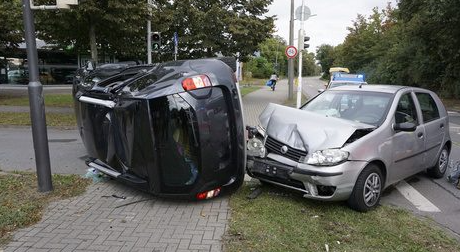
Rideshare crashes frequently involve multiple vehicles, busy intersections, sudden stops, or drivers searching for pickup locations. Those facts create disputes about lane position, speed, right-of-way, and driver distraction.
Insurance companies compare each statement with physical evidence. They examine vehicle damage, traffic signals, road markings, photographs, witness accounts, and available video. A claimant who reports symptoms promptly and follows medical instructions creates a clearer connection between the crash and the injuries.
Fault disputes lengthen negotiations because insurers can challenge a claimant’s account. They can also assign partial responsibility or argue that another driver caused the injury.
Injuries may require longer treatment
A collision claim cannot be valued accurately until doctors understand the injury and its likely course. Soft-tissue injuries, fractures, nerve damage, and psychological effects can require continuing treatment.
Settling too early risks leaving future medical bills unpaid. Waiting until the condition becomes clearer gives the claimant a better basis for calculating medical expenses, lost income, rehabilitation needs, and other losses.
Medical billing also takes time. Providers must submit records and invoices, insurers must process payments, and health insurance reimbursement claims must be identified before settlement proceeds can be distributed.
Evidence can disappear quickly
Rideshare evidence often exists across several systems, and some records remain available for limited periods. Video from businesses, traffic cameras, vehicles, and phones can disappear through automatic deletion or routine overwriting.
A claimant should photograph the vehicles, intersection, road conditions, visible injuries, and relevant signs as soon as practical. The claimant should also record witness contact information and preserve every message, receipt, medical record, and insurer communication.
A written preservation request can help protect application records, trip information, vehicle data, and video. Early action matters because investigators cannot recover evidence that has already been deleted.
Settlement negotiations take longer
Insurers often wait until they resolve coverage and liability questions before making a serious settlement proposal. They also review medical treatment, wage documentation, property damage, and prior medical history.
A settlement demand requires organized support. The claimant needs medical records, itemized bills, proof of missed work, repair documents, photographs, and evidence connecting the driver’s conduct to the collision.
When the insurer disputes coverage or fault, negotiations can continue through several rounds of requests and responses. If no fair agreement is reached, litigation adds court deadlines, depositions, expert testimony, and formal evidence exchanges.
Conclusion
An Uber accident claim takes longer because the investigation must answer more questions than a typical car crash. The driver’s app status, available insurance, trip records, witness accounts, medical progress, and preserved video can affect the result. Claimants should report the collision, obtain medical care, save every record, and avoid recorded statements before reviewing the facts carefully. A prompt case assessment helps preserve evidence and identify the right insurance path before deadlines add pressure.