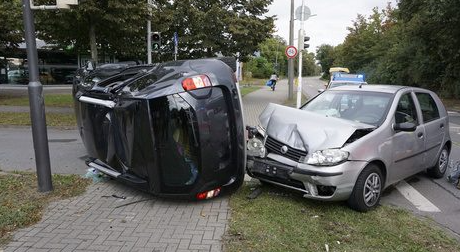
After a crash, the at-fault driver’s insurer should cover eligible losses. That expectation fails when the driver has no insurance, carries low limits, or leaves before identification. Uninsured motorist coverage shifts some of that financial risk to the injured person’s policy, subject to its terms and limits. Knowing the coverage rules helps preserve evidence, avoid harmful statements, and identify payment sources before deadlines expire. The claim starts with the policy, crash evidence, and medical records.
An injured driver should review the insurance policy, preserve claim evidence, and document medical treatment promptly. Advice from an Atlanta personal injury lawyer can clarify notice requirements, compare liability coverage with UM benefits, and identify losses requiring proof. That review becomes useful when the other driver’s policy cannot cover medical bills, vehicle repairs, lost wages, or related expenses.
What Uninsured Motorist Coverage Pays For
Uninsured motorist coverage applies when the at-fault driver has no liability insurance. It can also apply after a hit-and-run crash, depending on the policy and state law. The injured person usually must prove that another driver caused the collision and that the crash caused documented losses.
Covered losses often include medical expenses, rehabilitation costs, lost income, and vehicle damage. Some policies also cover pain and suffering. Policy language determines which damages qualify and whether property damage has separate coverage.
Underinsured motorist coverage addresses a different situation. The at-fault driver has insurance, but the policy limit cannot cover the injured person’s full claim. The injured person’s policy can cover some remaining losses after the liability limits are exhausted, subject to its own limit.
See also: Regain Control of Your Life With Drug Addiction Treatment
Why Policy Limits Matter
Insurance policies contain limits that cap payments for covered claims. A driver with $25,000 in bodily injury coverage cannot pay more than that amount for one injured person, even if medical expenses exceed the limit.
UM and UIM limits require careful review because policies differ. Some policies set separate limits for each vehicle, while others apply a single combined limit. The declarations page lists the selected amounts, while the full policy explains exclusions, notice duties, and claim procedures.
Drivers should also determine whether coverage follows the person, the vehicle, or both. A policy can protect the named insured, resident relatives, passengers, or occupants of an insured vehicle. State law affects these terms, so policyholders should not assume that one rule applies nationwide.
How Claims Are Handled
The injured person usually reports the crash to the at-fault driver’s insurer and the personal insurer providing UM or UIM coverage. Prompt notice matters because policies often impose specific reporting deadlines.
An insurer can investigate liability, medical treatment, income loss, and the policy’s coverage conditions. The company may request records, statements, photographs, repair estimates, and proof of other insurance. Those requests do not change the policy limit or remove the need for reliable evidence.
A settlement with the at-fault driver can affect a UM or UIM claim. Many policies require the insured to obtain the carrier’s consent before accepting certain settlements. Failure to follow that requirement can create a coverage dispute.
Steps After a Crash
Call emergency services and, when possible, obtain a police report. The report creates a contemporaneous record of the collision, although it does not resolve every insurance or liability issue.
Photograph vehicle damage, road conditions, traffic controls, visible injuries, and the surrounding area. Witness names and contact details can become difficult to locate later, especially after a hit-and-run collision.
Seek medical care and follow the treatment plan. Medical records connect injuries to the crash and document related expenses. Gaps in treatment can raise questions about an injury’s cause or severity.
Notify the relevant insurers without guessing about fault or minimizing symptoms. A recorded statement can affect the claim, so the injured person should review the policy before providing detailed testimony.
Preserve pay records, repair invoices, medical bills, prescription receipts, and insurer correspondence. These documents create a reliable record of financial losses and claim activity.
Common Coverage Problems
Disputes often involve whether the policy was active on the date of the crash. An insurer can also question whether the claimant qualifies as an insured person under the policy.
Other disagreements concern hit-and-run proof, the extent of medical treatment, prior injuries, and lost income. The claimant must connect each requested payment to the collision and provide supporting records.
State law can impose deadlines for filing a lawsuit or making a claim. The deadline depends on the claim type, location, and facts. An insurer’s investigation does not always extend that period.
Conclusion
Uninsured motorist coverage protects drivers from losses another motorist cannot pay, but the protection depends on policy terms, timely notice, and clear evidence. After a crash, the injured person should obtain medical care, preserve records, report the collision, and review the declarations page for UM and UIM limits. A prompt policy review can reveal coverage before a settlement changes available options. Next, gather the policy, crash report, and medical records.