Introduction
Opening an indoor playground is only the beginning of running a successful family entertainment business. Once visitors start arriving, operators must focus on maintaining the facility, protecting equipment quality, and delivering a consistently enjoyable experience. Regular maintenance helps keep attractions functional, supports safe operations, and protects the long-term value of the investment.
Indoor playgrounds contain multiple equipment types, surfaces, moving components, and interactive features. Each requires an appropriate maintenance approach. A structured maintenance program allows business owners to identify potential problems early, reduce unexpected interruptions, and keep the venue looking attractive to returning customers.
Why Playground Maintenance Matters
A well-maintained indoor playground creates a positive impression from the moment visitors enter. Clean floors, organized activity areas, functional equipment, and comfortable seating all contribute to the overall customer experience.
Maintenance is also important for managing operating costs. Small problems can become more expensive when they are ignored. For example, a loose connection, damaged surface, or malfunctioning component may require more extensive repairs if it remains unnoticed.
Regular inspections help operators identify wear before it develops into a larger issue. They also provide an opportunity to review whether equipment is being used correctly and whether operating procedures need improvement.
For commercial venues, maintenance should be treated as a core business responsibility rather than an occasional cleaning task.
Establishing a Daily Inspection Routine
Daily inspections provide the foundation of an effective maintenance program. Before opening the facility, designated staff members should check the condition of the main play areas and confirm that essential operating requirements have been addressed.
A practical daily checklist may include:
- Checking visible equipment surfaces for damage or unusual wear.
- Looking for loose components, exposed edges, or damaged padding.
- Inspecting entrances, exits, stairs, and walkways.
- Confirming that activity areas are clean and free from unnecessary objects.
- Checking that signs and operating instructions are visible.
- Reviewing seating areas and other visitor facilities.
- Confirming that equipment requiring attention is not available for use.
Staff should also conduct appropriate checks throughout the operating day. Busy facilities can experience spills, displaced materials, and other issues between scheduled cleaning periods.
Every concern should be recorded and reported to the responsible manager. If an attraction appears damaged or potentially unsafe, it should be taken out of service until it has been assessed and cleared for use.
Creating a Cleaning and Hygiene Schedule
Cleanliness is one of the most visible aspects of an indoor entertainment facility. Children frequently touch equipment, move between activity areas, and interact with shared surfaces. A clear cleaning schedule helps maintain a pleasant environment for visitors.
Different areas require different cleaning methods. Play structures, padded surfaces, floors, tables, reception counters, and washrooms should each have suitable procedures.
Operators should use cleaning products appropriate for the materials being treated. Product instructions must be followed, particularly regarding dilution, contact time, ventilation, and drying. Equipment should not be returned to use until cleaned surfaces are ready for visitors.
High-contact areas may require more frequent attention, especially during busy sessions. Staff should also have a clear process for dealing with spills and visible contamination.
Cleaning records can help managers confirm that scheduled tasks have been completed. They also make it easier to identify areas that need additional attention.
Maintaining Different Types of Playground Equipment
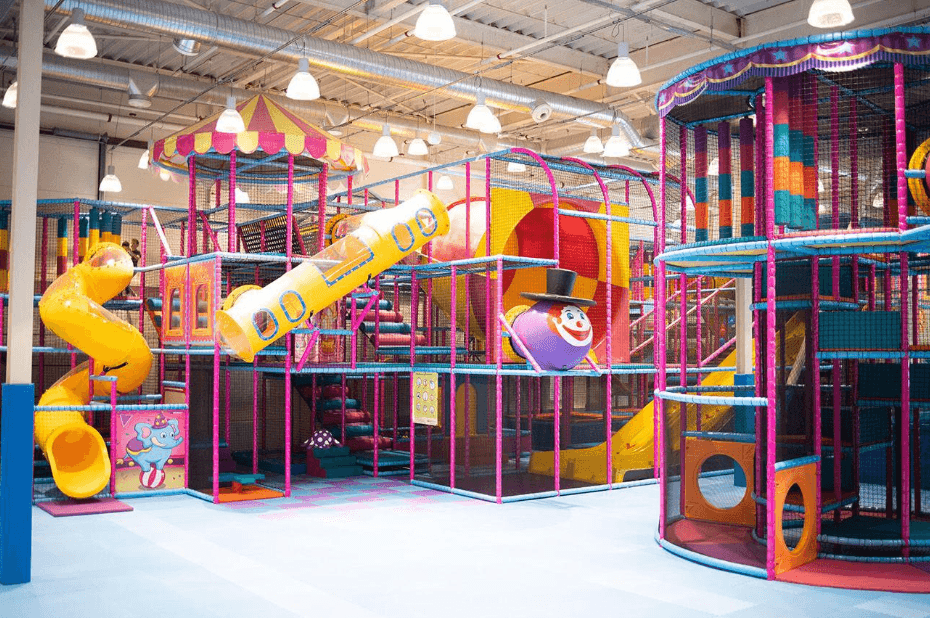
An indoor playground may contain several attraction categories, each with its own maintenance requirements. Operators should follow manufacturer instructions and keep suitable inspection records for every equipment type.
Soft Play Structures
Soft play equipment often includes padded obstacles, climbing sections, tunnels, slides, and protective coverings. These components should be checked for tears, loose stitching, damaged padding, and exposed internal materials.
Pay particular attention to connection points and areas that receive frequent contact. Damaged coverings should be repaired or replaced using suitable materials and methods.
Cleaning procedures should also account for the type of surface and its construction. Using unsuitable products may affect the appearance or condition of certain materials.
Slides and Climbing Features
Slides and climbing structures experience repeated contact from visitors. Inspections should look for cracks, sharp edges, loose fasteners, unstable sections, and signs of excessive wear.
The surrounding area should remain clear so children can enter and exit activities without unnecessary obstacles.
Where equipment contains elevated platforms or multiple access points, staff should pay attention to protective barriers, steps, and connecting components.
Trampoline Attractions
Trampoline zones require a dedicated maintenance routine because their equipment experiences repeated dynamic use. Operators should inspect jumping surfaces, protective padding, frames, connections, springs where applicable, and surrounding boundaries according to the manufacturer’s guidance.
Any unusual noise, visible damage, or change in equipment performance should be investigated. Staff should also ensure that operating instructions and supervision procedures remain clear.
Businesses developing or upgrading this attraction category can discuss equipment requirements with a Trampoline Park Equipment Manufacturer. Understanding the intended use and maintenance requirements before purchasing equipment can support better long-term planning.
Interactive and Electronic Attractions
Interactive panels, electronic games, lighting features, and other technology-based attractions may require additional checks.
Staff should look for damaged cables, loose connections, unresponsive controls, unusual heating, and visible signs of malfunction. Electrical issues should be handled by appropriately qualified professionals rather than general cleaning staff.
Software updates and technical servicing should follow the equipment supplier’s recommendations.
Developing a Preventive Maintenance Calendar
A maintenance calendar helps operators move beyond reactive repairs. Instead of waiting for a problem to appear, managers can schedule routine checks based on equipment type, usage levels, and manufacturer recommendations.
A simple schedule can include several levels:
Daily tasks: Visual inspections, cleaning, housekeeping, and checks of essential operating areas.
Weekly tasks: More detailed examinations of frequently used equipment, connections, padding, and activity boundaries.
Monthly tasks: Reviewing maintenance records, identifying recurring problems, checking less accessible components, and arranging any required servicing.
Periodic professional inspections: Specialist assessments at intervals appropriate to the equipment, applicable standards, and manufacturer instructions.
The exact frequency will depend on the equipment and the amount of use it receives. A high-traffic entertainment center may need more frequent attention than a smaller facility with limited operating hours.
Managers should assign responsibility for each task and keep a record of completed work. This creates accountability and helps the business understand its maintenance history.
Training Employees to Identify Problems
Employees are often the first people to notice when something is not working correctly. Training them to recognize visible damage and report concerns can make a significant difference.
Staff should understand the difference between routine cleaning, basic housekeeping, and technical maintenance. They should never attempt repairs beyond their training or authorization.
A clear reporting system should explain:
- Which manager receives maintenance reports.
- How damaged equipment is isolated from visitors.
- Where inspection records are stored.
- Who is authorized to approve repairs.
- When a professional technician must be contacted.
New employees should receive relevant training before supervising activity areas. Refresher sessions can reinforce good practices and help staff recognize problems consistently.
Choosing Equipment with Maintenance in Mind
Maintenance requirements should be considered before purchasing playground equipment. Attractive designs and exciting activities are important, but operators also need to understand how equipment will perform under regular commercial use.
Look at material quality, construction, replacement-part availability, cleaning requirements, and access to technical guidance. Ask suppliers about recommended inspection procedures and the expected servicing needs of different components.
Working with an experienced Indoor Playground Manufacturer can help business owners explore equipment options suited to their available space, target audience, and operational requirements.
Before making a purchase, request clear information about installation, maintenance instructions, replacement components, and after-sales support. These details can help businesses estimate the total cost of ownership rather than focusing only on the initial purchase price.
Managing Maintenance Costs
A maintenance budget should be included in the facility’s financial plan. Even well-selected equipment requires cleaning materials, inspections, occasional repairs, and replacement of worn components.
Operators can organize expenses into several categories:
- Routine cleaning supplies and housekeeping.
- Staff training and maintenance administration.
- Replacement parts and minor repairs.
- Professional servicing and inspections.
- Larger equipment upgrades or refurbishment.
Keeping accurate records helps identify recurring expenses and supports future budgeting. If a particular component repeatedly requires attention, managers may need to review how it is being used or whether a different solution would be more suitable.
Maintenance should not be postponed simply to reduce short-term expenses. Ignoring necessary work can lead to greater costs and interruptions later.
Conclusion
Maintaining an indoor playground requires consistent attention, organized procedures, and clear staff responsibilities. Daily inspections, suitable cleaning methods, preventive servicing, and detailed maintenance records all contribute to a better-managed facility.
Business owners should consider maintenance requirements during the equipment selection and design stages, not only after the venue opens. By planning ahead and responding promptly to problems, operators can protect their investment, support reliable operations, and provide families with a clean and enjoyable entertainment environment.