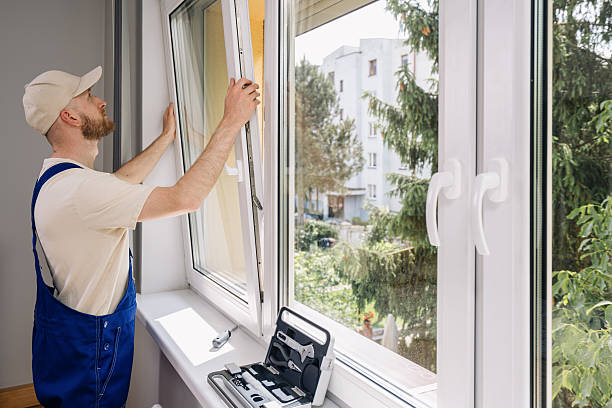
Window installation services play a vital role in the overall functionality, comfort, and appearance of residential and commercial buildings. Windows are more than architectural features; they influence natural lighting, ventilation, insulation, security, and energy consumption. Proper window installation ensures that these benefits are fully realized while preventing common issues such as air leakage, water intrusion, and structural damage.
Understanding Window Installation Services
Window installation services involve the professional fitting of new windows or replacement of existing ones. The process requires precise measurements, structural assessment, proper sealing, and compliance with building codes. Poor installation can compromise window performance, even when high-quality materials are used.
Professional installation ensures windows function as intended, delivering long-term reliability and efficiency.
Types of Windows Commonly Installed
Window installation services cover a wide variety of window types, each designed for specific functional and aesthetic purposes.
Single-Hung and Double-Hung Windows
These traditional designs are popular for their simplicity and ease of use. Double-hung windows allow both sashes to move, improving ventilation.
Casement and Awning Windows
Casement windows open outward, providing excellent airflow, while awning windows hinge at the top, allowing ventilation even during light rain.
Sliding Windows
Sliding windows operate horizontally and are ideal for spaces where outward opening is not practical.
Bay and Bow Windows
These windows extend outward from the building, adding interior space and enhanced natural light.
Fixed and Picture Windows
Designed to provide unobstructed views and natural light, these windows do not open and are often paired with operable windows.
The Window Installation Process
Proper window installation follows a structured process to ensure durability and performance.
Assessment and Measurement
Installers assess the existing opening, measure accurately, and identify structural considerations such as framing condition and load-bearing elements.
Removal of Old Windows
Existing windows are carefully removed to avoid damage to surrounding materials.
Frame Preparation
The opening is cleaned, repaired if necessary, and prepared to ensure proper fit and support.
Installation and Securing
The new window is positioned, leveled, and secured. Proper alignment is critical for smooth operation and sealing.
Sealing and Insulation
Weatherproof sealing and insulation prevent air and water infiltration, improving energy efficiency.
Final Inspection
The installation is checked for functionality, alignment, and sealing before completion.
Energy Efficiency Benefits
Modern window installation significantly improves energy efficiency. Properly installed windows help regulate indoor temperatures by reducing heat transfer and air leakage. Features such as double or triple glazing, insulated frames, and low-emissivity coatings enhance thermal performance.
Energy-efficient windows can reduce heating and cooling costs while improving indoor comfort year-round.
Importance of Proper Sealing and Insulation
Even high-quality windows can fail if improperly sealed. Gaps or poor insulation lead to drafts, moisture buildup, and potential mold growth. Professional installation ensures airtight seals that protect against environmental elements and maintain indoor air quality.
Residential vs. Commercial Window Installation
While the basic principles are similar, residential and commercial window installations differ in scale and requirements.
Residential installations prioritize comfort, aesthetics, and energy savings. Commercial installations focus on durability, safety, compliance, and performance under heavy use. Commercial projects may also require specialized glazing, impact resistance, or sound control.
Safety and Building Code Compliance
Window installations must comply with local building codes and safety standards. Requirements may include emergency egress, tempered or laminated glass, and wind-load resistance. Compliance ensures occupant safety and prevents future legal or insurance issues.
Durability and Long-Term Performance
Proper window installation contributes to long-term durability. Well-installed windows resist warping, leaks, and operational issues, reducing the need for repairs or replacements. Long-term performance depends heavily on installation quality rather than materials alone.
Noise Reduction and Comfort
Professionally installed windows help reduce outside noise, especially in urban or high-traffic areas. Proper sealing and insulated glazing improve acoustic performance, creating quieter indoor environments.
See also: Modern Home Architecture: Designing Spaces That Inspire Everyday Living
When to Consider Window Replacement
Window installation services are often needed when:
- Windows are damaged or difficult to operate
- Drafts or condensation are present
- Energy costs are increasing
- Visual appearance needs improvement
- Building codes or safety standards require upgrades
Replacing outdated windows improves both functionality and aesthetics.
Conclusion
Window installation services are a key investment in building performance and comfort. Proper installation enhances energy efficiency, safety, durability, and appearance. Whether for residential or commercial properties, professional window installation ensures that windows deliver long-term value and reliable performance.