The landscape of higher education has always been one of constant evolution, but few shifts have been as profound or as rapid as the emergence of hybrid learning. Once considered a niche approach, hybrid models—which blend traditional in-person instruction with online components—have become a cornerstone of modern pedagogy, especially in the wake of recent global events. This innovative approach is not just a temporary fix; it represents a fundamental rethinking of how knowledge is imparted, assessed, and absorbed in universities and colleges worldwide.
For generations, the image of higher education was synonymous with lecture halls, bustling campus quads, and professors at chalkboards. While these elements remain vital, the digital revolution has introduced powerful new tools that allow learning to transcend physical boundaries and time constraints. This fusion creates a flexible, dynamic environment that addresses many of the challenges students face today, from diverse learning styles to the demands of modern life.
The Foundation of a New Educational Paradigm
At its core, hybrid learning seeks to optimize the educational experience by leveraging the strengths of both face-to-face and online instruction. In-person sessions might focus on interactive discussions, hands-on labs, or collaborative projects—activities that benefit most from direct human interaction. Online components, conversely, can deliver lectures, readings, quizzes, and multimedia content, allowing students to engage with material at their own pace, revisit complex topics, and deepen their understanding outside scheduled class times.
This isn’t merely about putting lectures online. True hybrid learning involves a thoughtful integration, where the digital and physical realms complement each other, creating a cohesive and enriched learning journey. It recognizes that not all learning experiences are best served by the same medium, and that offering variety can significantly enhance engagement and retention.
The adoption of hybrid models has been driven by several factors. Firstly, the sheer accessibility it offers is unparalleled. Students who might otherwise be unable to pursue higher education due due to geographical distance, work commitments, or family responsibilities can now participate more readily. Secondly, it caters to a wider spectrum of learning preferences. Some students thrive in structured classroom environments, while others benefit from the flexibility to delve into topics independently, often with the aid of digital resources.
Bridging Gaps: How Digital Tools Enhance the Learning Experience
Digital platforms are the engine driving the success of hybrid learning. These aren’t just simple websites; they are sophisticated ecosystems designed to facilitate every aspect of the educational process.
1. Flexible Content Delivery: Learning Management Systems (LMS) like Canvas, Blackboard, and Moodle serve as central hubs where instructors can upload lectures (both live-streamed and pre-recorded), assign readings, share supplementary videos, and post discussion prompts. This means students can review complex concepts multiple times, pause to take notes, and rewind if they miss something, a luxury rarely afforded in a traditional lecture setting. For students grappling with particularly challenging subjects, having 24/7 access to explanations and materials can be a game-changer.
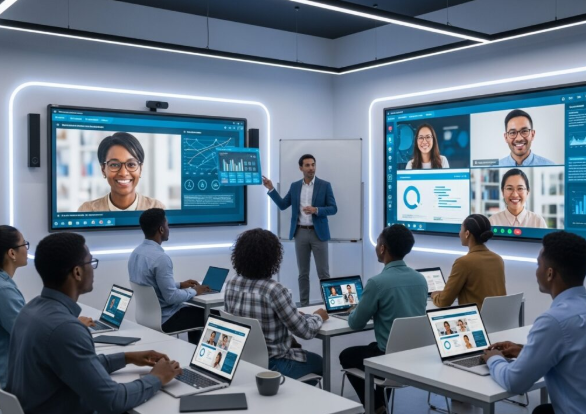
2. Enhanced Interaction and Collaboration: While often perceived as isolating, online platforms can foster robust interaction. Discussion forums allow students to post questions, share insights, and engage in peer-to-peer learning outside class hours. Video conferencing tools facilitate live Q&A sessions, virtual office hours, and collaborative group projects where students from different locations can work together seamlessly. Interactive whiteboards, shared documents, and project management tools further enhance this collaborative potential, mimicking the dynamics of a modern workplace.
3. Personalized Learning Paths: Digital tools offer unprecedented opportunities for personalization. Adaptive learning technologies can assess a student’s current understanding and then recommend tailored resources or exercises to address specific weaknesses. This means that instead of a one-size-fits-all approach, each student can receive support precisely where they need it most. For instance, if a student struggles with a particular math concept, the system might provide extra practice problems or alternative explanations until mastery is achieved. This level of individualized attention was incredibly difficult to scale in traditional classrooms.
4. Immediate Feedback and Assessment: Online quizzes and assignments can be automatically graded, providing students with instant feedback—a crucial element for effective learning. This immediate insight allows students to identify misconceptions quickly and adjust their study strategies without waiting days for a professor to return a graded paper. Analytical tools within these platforms can also help instructors track student progress, identify areas where a cohort might be struggling, and intervene proactively.
5. Rich Multimedia and Diverse Resources: Digital platforms allow for the integration of a vast array of multimedia content that can make learning more engaging and effective. Think about simulations for science students, virtual field trips for history majors, interactive language exercises, or access to vast digital libraries. This goes far beyond textbooks and static images, offering a dynamic and immersive learning experience that caters to visual, auditory, and kinesthetic learners alike.
See also: The Future of Tech: Top Gadgets and Trends for Geek Enthusiasts in 2025
Addressing the Academic Workload: A Modern Challenge
One of the less discussed but equally significant gaps that digital platforms are helping to fill is the immense academic workload students face. Higher education today often involves rigorous research, extensive writing, and complex problem-solving across multiple subjects. Balancing these demands with part-time jobs, internships, extracurricular activities, and personal life can lead to significant stress and burnout.
Here’s where the ecosystem of digital support extends beyond the classroom. Platforms like MyAssignmentHelp.com have emerged as critical resources in this environment. When students are juggling multiple deadlines—a research paper for history, a lab report for chemistry, and a critical essay for literature—they sometimes need an extra hand. These services offer expert assistance with everything from understanding complex essay prompts to refining research methodologies and proofreading final drafts. This isn’t about bypassing learning; it’s about providing support when students are overwhelmed, ensuring they can meet academic expectations without sacrificing their well-being.
The ability to seek out essay help for a particularly challenging assignment or to get guidance on structuring a complex research paper means students can focus on the learning aspects they find most valuable, knowing they have a safety net for areas where they might need a boost. It’s akin to hiring a tutor or a study coach, but with the added convenience and anonymity of an online platform. This integration of external academic support into a student’s digital toolkit is becoming increasingly common, reflecting a practical approach to navigating the pressures of higher education.
The Human Element: Still Irreplaceable
While digital tools offer immense advantages, the human element in education remains irreplaceable. Hybrid learning doesn’t seek to remove professors or classmates; rather, it aims to optimize their interactions. In-person class time in a hybrid model can become more focused, dedicated to critical thinking, debate, and activities that truly require face-to-face engagement. Professors can transition from being mere dispensers of information to facilitators, mentors, and guides, using the data from online platforms to understand student needs better and tailor their classroom interactions.
Furthermore, the sense of community and belonging that a university campus fosters is crucial for student development. Hybrid models strive to preserve this by integrating opportunities for social interaction, group work, and extracurricular engagement, ensuring that students don’t feel isolated despite the increased time spent learning independently.
The Future is Hybrid
The move towards hybrid learning is not a temporary trend but a fundamental recalibration of higher education. It’s an acknowledgment that the traditional model, while valuable, can be enhanced by the strategic integration of digital technologies. By filling gaps in accessibility, personalization, and support, digital platforms are making higher education more inclusive, flexible, and effective for a diverse student body.
As universities continue to refine these models, they will undoubtedly explore even more sophisticated ways to blend the best of both worlds. This includes more immersive virtual reality experiences, AI-powered tutoring systems, and increasingly nuanced adaptive learning paths. The goal remains the same: to equip students with the knowledge, skills, and critical thinking abilities they need to thrive in an ever-changing world. The journey through higher education can be demanding, and academic support serve as valuable companions, offering expert guidance and support to help students navigate their academic path successfully. The positive experiences and testimonials from students who have used such services, often highlighted in their reviews, underscore their role as a vital component in the modern academic support ecosystem.
The future of learning is undoubtedly flexible, technologically advanced, and profoundly human-centered, with hybrid models leading the way in preparing the next generation of thinkers, innovators, and leaders.