If you’re an international student planning to work in construction or related industries while studying in Sydney, one of the first requirements you’ll encounter is the White Card. Many students are unsure whether they’re eligible to take the course or if there are special rules that apply. The good news is that international students can take the White Card course in Sydney, provided certain conditions are met.
What Is a White Card and Why Is It Required?
A White Card is proof that you have completed General Construction Induction Training. This training introduces you to essential workplace health and safety requirements used across construction sites in Australia. It covers topics such as hazard identification, risk control, site rules, and emergency procedures.
In NSW, holding a valid White Card is a legal requirement before you can enter or work on a construction site, regardless of whether the work is casual, part time, or temporary.
Are International Students Eligible to Enrol?
Yes, international students are eligible to enrol in the White Card course in Sydney. Students holding a Student Visa (subclass 500) are allowed to complete the training, as long as the course is delivered by an approved provider.
The White Card itself is not linked to your visa type. Instead, it confirms that you have met construction safety requirements. You must still ensure that any work you do after receiving your White Card complies with your visa work conditions.
What Do International Students Need to Provide?
To enrol in a White Card course, international students are usually required to provide valid photo identification, such as a passport. You will also need a Unique Student Identifier (USI), which is mandatory for all nationally recognised training in Australia.
Basic English comprehension is important, as the course involves understanding safety instructions, signage, and workplace responsibilities. Some providers may assess language understanding during the course to ensure safety outcomes are met.
How to Find an Approved Course Provider
When choosing a training provider, it’s essential to confirm that the course is approved for delivery in NSW. The provider should be a Registered Training Organisation and recognised by SafeWork NSW. This ensures your certification will be accepted on construction sites across Sydney.
You should also check that the provider is authorised to train international students if required. Reviewing course details carefully can help you avoid enrolling in non-compliant training. A good place to start is a recognised white card course Sydney option that clearly outlines approval, delivery method, and assessment requirements.
What to Expect from the White Card Course
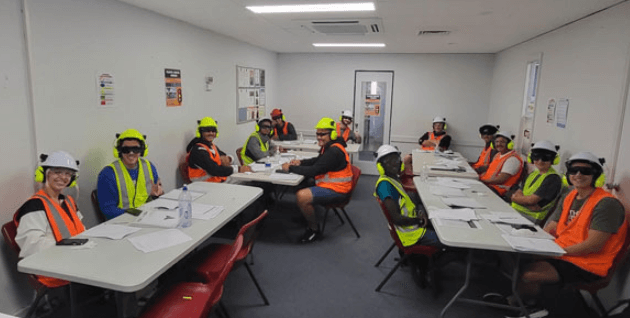
In Sydney, the White Card course must be completed face to face. The training usually takes one full day and includes interactive learning, group discussions, and an assessment to confirm your understanding of workplace safety.
You’ll learn about common construction hazards, personal protective equipment, safety signage, and your legal responsibilities on site. After successfully completing the assessment, you’ll receive a Statement of Training, followed by your physical White Card.
See also: How Do I Clean and Maintain Thermal Flex Gear?
What Happens After Completing the Course?
Once you have your White Card, you are legally allowed to enter construction sites in NSW. The card is nationally recognised, meaning it can also be used in other Australian states and territories if you relocate in the future.
Your White Card does not expire, but if you stop working in construction for two consecutive years, you may be required to complete the training again before returning to site work.
Wrapping Up
International students are fully eligible to complete the White Card course in Sydney, as long as they enrol with an approved training provider and meet the basic identification and assessment requirements. The course is a legal requirement for construction site access in NSW and must be completed face to face. By understanding the process and choosing the right provider, international students can meet safety obligations, stay compliant with regulations, and confidently access construction-related job opportunities while studying in Australia.