A lithium portable power station is a modern, battery based power solution designed to deliver clean and reliable electricity wherever grid power is unavailable. These systems are commonly used across Australia for camping, caravans, home backup, outdoor work, and off grid living. Their lightweight design, fast charging, and long lifespan make them a popular alternative to fuel generators and older battery setups.
What Is a Lithium Portable Power Station?
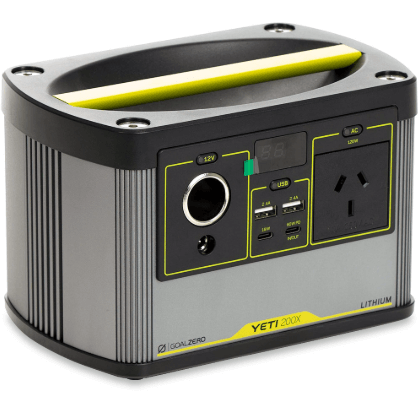
A lithium portable power station is a self contained unit that stores electrical energy in a lithium battery and delivers power through AC, DC, and USB outlets. Unlike petrol or diesel generators, it operates silently, produces no fumes, and can be safely used indoors. Compared to traditional lead acid batteries, lithium based systems offer higher efficiency, faster charging, and significantly longer cycle life.
How Lithium Battery Technology Works
Lithium battery technology stores energy through the movement of lithium ions between internal cells during charging and discharging. This process allows energy to be stored at a high density and released efficiently when needed. In portable systems, lithium batteries are paired with advanced electronics that manage power flow, temperature, and safety. A well designed lithium portable power station delivers stable output, fast charging, and long term reliability across a wide range of applications, from camping and caravans to backup power and off grid use.
Lithium Iron Phosphate vs Lithium Ion
Most lithium portable power stations use either lithium ion or lithium iron phosphate batteries. Lithium ion batteries are lightweight and compact, making them ideal for portability. Lithium iron phosphate batteries offer a longer lifespan and higher thermal stability, which suits users who need durability and frequent cycling. Both technologies are far more efficient and reliable than traditional lead acid batteries.
Key Components of a Lithium Portable Power Station
The battery is the core of the system and determines how much energy can be stored and how long devices can run. The inverter converts stored DC power into AC electricity suitable for household appliances. A charge controller manages incoming power from wall outlets, vehicles, or solar panels. Input and output ports allow multiple devices to connect simultaneously. A battery management system monitors performance and protects against overcharging, overheating, and short circuits.
How a Lithium Portable Power Station Works
Electricity is stored in the lithium battery and delivered when devices are connected. DC powered devices draw energy directly from the battery, while AC appliances rely on the inverter to convert power to household voltage. The internal management system continuously regulates output to maintain safe and consistent performance.
See also: The Future of Space Technology and Exploration
How to Charge a Lithium Portable Power Station
Lithium portable power stations can be charged from standard wall outlets, vehicle accessory sockets, or compatible solar panels. Solar charging is especially useful for camping, caravans, and remote locations, allowing batteries to be replenished during the day without relying on fuel or mains power.
What Can a Lithium Portable Power Station Power?
Depending on capacity and output rating, these systems can power phones, laptops, lighting, portable fridges, CPAP machines, televisions, fans, tools, and small kitchen appliances. Understanding continuous output and surge power is important, as some appliances require higher power briefly when starting. Battery capacity measured in watt hours determines how long devices can run.
Benefits of Lithium Portable Power Stations
Lithium portable power stations are lighter and more compact than traditional battery systems. They charge faster, require little maintenance, and offer a much longer usable lifespan. Clean and quiet operation makes them suitable for indoor use, while high efficiency ensures more usable energy from every charge.
Lithium Portable Power Stations vs Other Power Options
Compared to lead acid batteries, lithium systems last longer, charge faster, and deliver more usable energy. Compared to fuel generators, they eliminate noise, emissions, fuel storage, and ongoing maintenance. For many users, lithium based systems provide a more convenient and environmentally friendly solution.
Common Uses for Lithium Portable Power Stations
These power stations are widely used for camping and caravanning, emergency home backup, outdoor events, mobile worksites, and off grid or remote locations where reliable electricity is required.
Safety and Lifespan Considerations
Lithium portable power stations are built with multiple safety protections, including temperature monitoring, overload protection, and short circuit prevention. When used correctly, lithium batteries typically last for thousands of charge cycles, making them a long term power solution.
Choosing the Right Lithium Portable Power Station
Choosing the right system depends on how much power you need, what devices you plan to run, and how long you need power for. Key considerations include battery capacity, inverter output, available ports, charging options, and overall portability.
Takeaways
A lithium portable power station is a reliable and flexible way to access clean power wherever you need it. With advanced battery technology, strong safety features, and versatile charging options, these systems suit everything from weekend camping to full time off grid living and emergency backup.