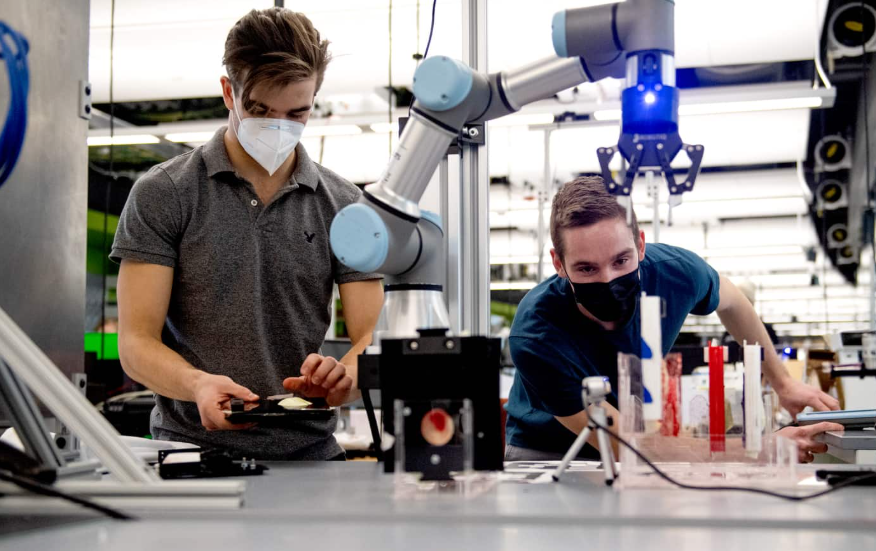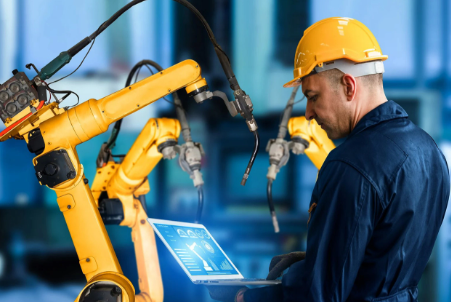
Manufacturing is rapidly evolving into a highly connected, data-driven ecosystem where machines, processes, and materials operate in synchrony. Often referred to as smart manufacturing, this approach integrates automation, real-time monitoring, and advanced analytics to improve efficiency and reduce variability. While much of the focus is placed on digital systems and robotics, the materials used within these environments play an equally critical role in ensuring seamless operation.
In these advanced systems, PVOH is frequently utilized for its predictable solubility, consistent film-forming behavior, and compatibility with water-based processing environments that align well with automated workflows. Its contribution is typically subtle, supporting temporary functions and enabling clean, repeatable processes without interfering with digital control systems. This makes it well suited for integration into intelligent production environments where consistency is essential.
Smart Manufacturing as an Integrated System
Smart manufacturing is not just about automation; it is about integration. Machines, sensors, and software systems work together to create a unified production environment.
Materials used in these systems must align with this integration. They must behave consistently so that data collected by sensors accurately reflects process conditions. Predictable material performance is essential for maintaining system reliability.
Automation and Material Behavior
Automation relies on materials responding within defined parameters. Robotic systems and automated equipment are programmed based on expected material properties.
Materials that behave unpredictably can disrupt automated processes, leading to downtime or quality issues. Consistent materials support uninterrupted operation and improve overall efficiency.
Temporary Materials in Automated Workflows
Many smart manufacturing processes involve materials that perform temporary roles. These may include protective coatings, separation layers, or structural supports.
Materials that can be removed easily and cleanly are particularly valuable in automated environments. Controlled solubility allows for removal without manual intervention, supporting continuous workflows.
Data Accuracy and Process Monitoring
Real-time monitoring is a key feature of smart manufacturing. Sensors collect data on temperature, pressure, and material behavior to optimize processes.
Materials that produce consistent responses help ensure that this data is accurate. Reliable data supports better decision-making and continuous improvement.
Integration With Digital Control Systems
Digital control systems rely on stable inputs to function effectively. Materials that behave predictably allow these systems to operate within defined parameters.
This integration supports precise control over production processes, reducing variability and improving product quality.
Flexible Manufacturing and Rapid Changeovers
Smart factories are designed to handle multiple product types with minimal downtime. Materials that can adapt to different processes support this flexibility.
Versatile materials reduce the need for extensive reconfiguration, enabling faster changeovers and more efficient production.
Predictive Maintenance and Material Impact
Predictive maintenance uses data to identify potential equipment failures before they occur. Material behavior can influence the accuracy of these predictions.
Stable materials reduce noise in maintenance data, making it easier to detect genuine issues. This improves maintenance planning and reduces unexpected downtime.
Energy Efficiency and Resource Optimization
Smart manufacturing emphasizes efficient use of resources, including energy and materials. Materials that integrate into water-based systems often require less energy for processing and cleanup.
This contributes to overall efficiency and supports sustainability goals within industrial operations.
Workforce Interaction With Smart Systems
Even in automated environments, human oversight remains important. Operators interact with systems through monitoring and control interfaces.
Materials that behave consistently reduce the need for manual adjustments, allowing workers to focus on optimizing processes rather than troubleshooting issues.
Quality Assurance in Intelligent Systems
Quality assurance in smart manufacturing relies on consistent inputs and accurate data. Materials that maintain stable performance contribute to reliable output.
Predictable materials support automated quality checks and reduce the likelihood of defects.
Traceability and Material Tracking
Traceability is an important aspect of modern manufacturing. Materials are tracked throughout the production process to ensure compliance and quality.
Materials with consistent behavior simplify traceability by reducing unexpected variations. This supports better documentation and regulatory compliance.
Alignment With Industry 4.0 Principles
Industry 4.0 emphasizes connectivity, automation, and data-driven decision-making. Materials used in these environments must align with these principles.
Predictable materials support transparency and integration, enabling systems to operate more effectively.
Risk Management in Automated Environments
Automated systems can amplify small issues if not properly managed. Material reliability is essential for reducing operational risk.
Stable materials minimize the likelihood of process disruptions, supporting safe and efficient operation.
Continuous Improvement Through Data
Smart manufacturing systems are designed to improve over time through data analysis. Materials that behave consistently provide a stable foundation for this improvement.
Reliable material performance allows manufacturers to identify opportunities for optimization and implement changes with confidence.
See also: Tech!Espresso: Calgary’s Premier In-Home Computer Repair Experts
Future Trends in Intelligent Manufacturing
As technology continues to advance, manufacturing systems will become even more interconnected and data-driven. Materials that support automation, integration, and sustainability will play an increasingly important role.
Water-compatible polymers are well positioned to meet these demands due to their versatility and compatibility with modern processes.
The Quiet Role of Supporting Materials
Supporting materials may not be visible in final products, but they are essential to the success of smart manufacturing systems. Their reliability enables complex processes to operate smoothly.
Their contribution is measured in efficiency, consistency, and system stability.
Conclusion
Smart manufacturing represents the future of industrial production, combining automation, data, and advanced materials into integrated systems. Materials that support predictable behavior and clean processing are essential to this transformation.
By enabling reliable workflows and seamless integration with digital systems, supporting materials play a critical role in the success of intelligent production environments. Their impact may be subtle, but it is fundamental to modern industry.