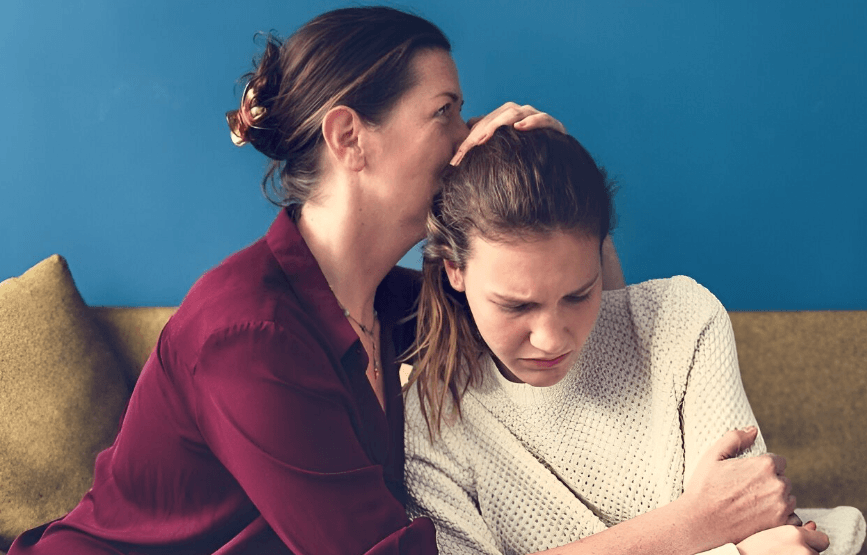
Something quietly powerful happens when a person realizes they are not alone in what they are feeling. That moment, sitting across from someone who genuinely understands, can shift the entire trajectory of recovery. Mental health treatment has evolved considerably over the past few decades, and one of the clearest lessons from that evolution is that healing rarely happens in complete isolation. Whether someone is working through anxiety, grief, family conflict, or a more complex diagnosis, the social context of treatment matters far more than most people initially expect.
This article explores why shared therapeutic environments are so effective, what the research actually shows about peer support in clinical settings, how different formats serve different needs, and what families in particular stand to gain from structured collective treatment. If you have wondered whether individual therapy alone is always the most complete path forward, the evidence might surprise you.
The Science Behind Healing in Community
Human beings are social creatures at a neurological level. Isolation, even when chosen, activates stress responses in the brain. The anterior cingulate cortex, which processes physical pain, also responds to social rejection and loneliness. This is not metaphor. Emotional pain and physical pain share overlapping neural circuitry, which helps explain why disconnection feels so damaging during mental health struggles.
When people gather in a structured therapeutic setting, several things happen simultaneously. Shame begins to loosen its grip. Cognitive distortions, the internal stories we tell ourselves about being uniquely broken or permanently damaged, get challenged simply by hearing others describe similar experiences. Social learning kicks in. Witnessing someone else work through a difficult emotion models what that process looks like, making it feel more achievable.
A 2020 meta-analysis published in the journal Psychological Medicine found that social support interventions produced significant reductions in depression symptoms across diverse adult populations. The effect was not trivial. Social connection was identified as a protective factor comparable in strength to several pharmacological interventions. The implications of that finding are worth sitting with for a moment.
What Peer Support Actually Provides
There is a distinction worth drawing between casual social support and structured peer support within a clinical framework. A conversation with a friend is valuable. It is not, however, the same as a therapeutic environment where a trained facilitator guides the process, ensures psychological safety, and helps translate shared experiences into genuine insight.
Structured peer support offers several things that individual sessions sometimes cannot replicate on their own.
- Normalization: Hearing that others share similar struggles reduces the shame and self-blame that often intensify mental health symptoms.
- Diverse perspectives: A single therapist brings skill and training; a room of peers brings lived experience from many different angles.
- Accountability: People tend to follow through on commitments more consistently when they feel accountable to a community, not just themselves.
- Modeling resilience: Seeing someone further along in their recovery offers a concrete example of what progress looks like.
- Reduced cost barriers: Structured shared sessions are often more accessible financially than the equivalent number of individual hours, widening access to care.
- Real-time social skill practice: For those working on communication or emotional regulation, a group setting provides immediate, low-stakes opportunities to practice.
These benefits are not anecdotal. The American Psychological Association has consistently recognized peer support as an evidence-based component of comprehensive mental health care, particularly for mood disorders, substance use recovery, and trauma.
Formats and Settings: A Practical Comparison
Not all shared therapeutic formats are identical. Understanding the differences helps individuals and families identify which approach fits their specific circumstances.
| Format | Primary Focus | Typical Size | Best Suited For |
| Process groups | Emotional exploration and interpersonal dynamics | 6 to 12 participants | Adults working on self-awareness, relationship patterns |
| Psychoeducational groups | Teaching skills and coping strategies | 8 to 20 participants | Anxiety, depression, stress management |
| Family and relational groups | Communication, conflict resolution, systemic healing | Multiple family units or one family across sessions | Families navigating conflict, loss, or a member’s diagnosis |
| Support groups | Shared experience and community | Varies widely | Grief, chronic illness, life transitions |
| Skills-based groups | Specific behavioral techniques (e.g., DBT, CBT) | 6 to 10 participants | Emotional dysregulation, trauma, personality disorders |
The distinctions matter because entering the wrong format for your needs can feel unhelpful, not because the approach is flawed, but because the fit was off. A person who needs structured skill-building may feel lost in an open-ended process group. A family in acute conflict may need a relational format rather than a general support setting. Matching the format to the goal is as important as the therapeutic philosophy behind it.
Why Families Benefit From Shared Treatment Settings
Mental health challenges do not exist in a vacuum. They ripple outward. A parent struggling with depression affects the emotional climate of the entire household. An adolescent navigating an anxiety disorder affects how family members communicate, plan, and relate to one another. Treating one person in isolation, while the relational system around them remains unchanged, often limits how far that individual can progress.
Family-focused treatment addresses the system, not just the individual. When multiple family members participate, they develop a shared language for discussing emotions, they learn each other’s triggers and coping styles, and they begin to shift patterns that may have been entrenched for years. The therapist in these settings acts less as a one-on-one guide and more as a skilled facilitator of a dynamic that involves multiple people with different perspectives and histories.
This is one area where group therapy formats specifically designed for families offer something genuinely distinct from both individual counseling and general adult support groups. The work is relational from the start. The goals are shared. And the changes, when they happen, tend to be reinforced at home because everyone in the room was part of creating them.
Common Issues Families Address in Shared Therapeutic Settings
- Communication breakdowns between parents and adolescents
- Grief and loss affecting multiple family members differently
- Supporting a family member through addiction recovery
- Rebuilding trust after conflict, separation, or trauma
- Parenting disagreements that affect children’s emotional wellbeing
- Blended family adjustment and boundary-setting
- Caregiver burnout when one family member has a chronic diagnosis
In each of these situations, the presence of a trained facilitator ensures that conversations that might spiral at home stay productive in session. Structure makes difficult topics safer to approach.
Realistic Expectations and How to Prepare
One of the most common reasons people hesitate before entering a shared therapeutic environment is the concern about privacy. It is a reasonable concern. Reputable programs address it directly through confidentiality agreements and clear ground rules established in the first session. Participants agree not to share identifying details about others outside the room. Facilitators enforce those boundaries consistently.
Another common concern is the worry that one person’s issues will dominate the space, or that others will not be able to relate to a particular situation. In practice, skilled facilitators manage time and participation carefully. And the range of what resonates with others is often broader than newcomers expect. The specific details of a story differ; the underlying emotions rarely do.
Coming in with realistic expectations also means understanding that the first session or two may feel unfamiliar. Trust builds over time. Many participants report that the first few sessions felt awkward and that something shifted around the third or fourth meeting. That pattern is well-documented. Commitment through the early discomfort is one of the strongest predictors of positive outcome.
See also: What Whole-Person Mental Health Care Actually Looks Like
Integrating Shared and Individual Treatment
Shared therapeutic settings and individual therapy are not competitors. They serve complementary functions. Individual sessions offer depth, privacy, and the freedom to explore personal history without the presence of others. Shared settings offer breadth, accountability, and the specific benefits that come from human connection in a structured context.
Many clinicians recommend both simultaneously, particularly for clients working through complex trauma, relationship difficulties, or chronic mental health conditions. The individual work provides a space to process what comes up in the shared setting. The shared setting provides material, insight, and momentum that feeds back into individual sessions.
For families especially, the combination of a shared relational format with individual support for specific family members can accelerate progress in ways that either approach alone does not always achieve. It is not about doing more therapy. It is about doing therapy that addresses the full picture of a person’s life, including the people in it.
Recovery is rarely a straight line, and it rarely happens in isolation. The research, the clinical experience, and the accounts of people who have gone through the process all point toward the same conclusion: connection is not a supplement to healing. For many people, it is the core of it.