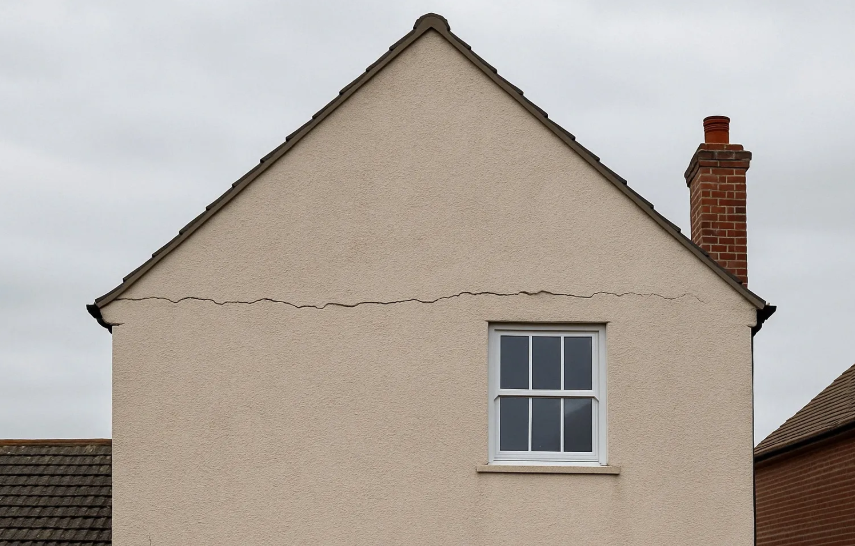
Render is designed to protect walls while improving the appearance of a building, but it is not immune to damage. Cracking and render failure are common issues across residential and commercial properties. Understanding why render cracks or fails is essential to choosing the right repair approach and preventing the same problems from returning.
Natural Building Movement
All buildings experience movement over time. Settlement after construction, minor foundation shifts, or changes in soil conditions can place stress on rigid render surfaces. This often results in hairline cracks around doors, windows, and corners. While small cracks are usually cosmetic, continued movement can cause them to widen and spread.
See also: Choosing the Right Structure During Company
Moisture Penetration and Water Damage
Moisture is one of the most damaging factors for rendering. Water can enter through small cracks, poorly sealed joints, or gaps around fixtures and become trapped behind the render. Over time, this weakens adhesion and leads to bubbling, flaking, or sections detaching from the wall. Ongoing moisture exposure can also cause internal damp and mould issues.
Poor Original Application
Render that has been incorrectly applied is far more likely to crack or fail prematurely. Common causes include inadequate surface preparation, incorrect mix ratios, low-quality materials, or insufficient curing time. If the render does not bond properly to the substrate, it may crack, sound hollow, or fall away in sections.
Thermal Expansion and Temperature Changes
Changes in temperature cause building materials to expand and contract. Rendered walls that are exposed to strong sunlight during the day and cooler temperatures at night are particularly vulnerable. Repeated thermal movement places stress on the render, leading to cracking over time. Addressing these issues early through appropriate render repair helps reduce ongoing damage caused by temperature-related expansion and contraction.
Salt Attack and Efflorescence
Salt attack occurs when moisture draws salts from masonry or concrete to the surface. As the moisture evaporates, the salts crystallise and expand, breaking down the render from within. This often starts as a white powdery residue known as efflorescence, but prolonged salt exposure can lead to cracking, surface breakdown, and render failure. Coastal and older properties are especially at risk.
Ageing and General Wear
Render naturally deteriorates as it ages. Prolonged exposure to weather, UV rays, and pollution causes materials to lose flexibility and strength. Older render may become brittle and crack more easily, even without significant building movement. Widespread cracking or loose areas often indicate that the render has reached the end of its functional lifespan.
Incompatible Materials
Using incompatible materials is a common cause of recurring render problems. Applying rigid cement render over flexible substrates, or repairing render with products that do not match the original system, can create uneven movement. This mismatch often leads to cracking along joints or repaired areas.
Structural Issues Beneath the Render
In some cases, render cracking is a symptom of deeper structural problems. Foundation movement, subsidence, or framing issues can transfer stress to rendered walls. Cracks that are wide, diagonal, or continue to grow over time may indicate structural movement rather than surface-level failure.
Environmental and External Factors
External forces such as impact damage, vibrations from traffic or nearby construction, and tree root movement can all contribute to render cracking. Severe weather conditions including heavy rain, hail, and strong winds also accelerate deterioration, especially on exposed walls.
How to Identify the Cause of Render Cracking
The size, pattern, and location of cracks provide valuable clues. Fine, stable cracks are often cosmetic, while widening or irregular cracks may signal movement or moisture issues. Discolouration, bubbling, or hollow sounds usually indicate water-related problems. If damage continues to worsen, professional assessment is recommended.
Why Treating the Cause Matters
Repairing visible cracks without addressing the underlying cause often leads to repeat failure. Effective repairs focus on moisture control, compatible materials, and allowing for natural building movement. Correct diagnosis and repair methods help extend the life of the render and reduce long-term maintenance costs.
Parting Advice
Render cracks and failures are usually caused by movement, moisture, temperature changes, poor application, or ageing materials. Identifying the root cause is essential to achieving long-lasting results. Early intervention not only improves appearance but also protects the underlying structure and prevents more costly repairs in the future.