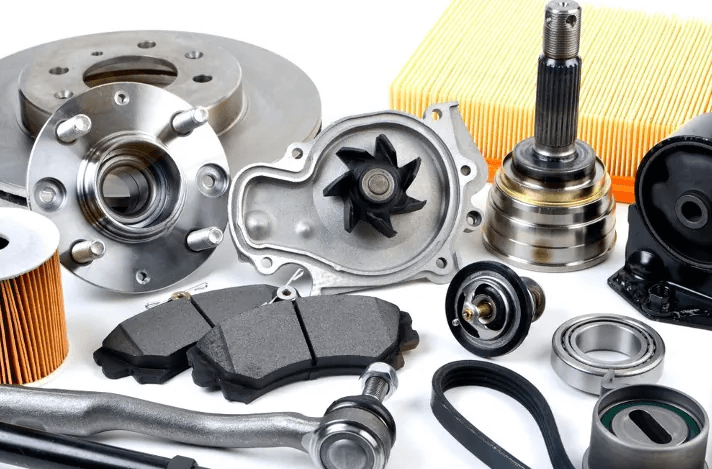
Choosing the right type of replacement part is essential for keeping your truck running safely and efficiently. Whether you’re managing a commercial fleet or maintaining your own vehicle, understanding the differences between genuine, OEM, and aftermarket truck parts can help you make more informed and cost-effective decisions.
Why Knowing the Difference Matters
The type of part you choose can affect not only your truck’s performance but also its warranty coverage, resale value, and overall safety. Using the wrong component may result in poor fit, reduced durability, or even mechanical failure. That’s why it’s crucial to understand what sets each part category apart.
What Are Genuine Truck Parts?
Genuine parts are made by the vehicle’s original manufacturer and are the exact components used when the truck was first built. These parts come branded with the truck maker’s logo and are typically sold through authorised dealerships. While they often come with a higher price tag, genuine parts offer peace of mind due to their quality, reliability, and full compatibility with your vehicle.
What Are OEM (Original Equipment Manufacturer) Parts?
OEM parts are produced by third-party manufacturers that are approved suppliers for the truck brand. Although they don’t carry the truck maker’s branding, they match the original specifications and performance. OEM parts are usually more affordable than genuine ones and are often used in authorised service centres. They’re ideal if you want factory-quality performance without the dealership markup.
See also: Address Planning for Businesses Preparing for Expansion and Restructuring
What Are Aftermarket Truck Parts?
Aftermarket parts are made by companies that are not officially affiliated with the truck manufacturer. These parts can range from basic replacements to high-performance upgrades and are widely available across different price points. Quality varies significantly between brands, so it’s important to purchase from a trusted source. For example, if you’re looking for a reliable selection of replacement components, you can browse a wide range of truck parts and accessories to suit your maintenance needs.
Key Differences at a Glance
| Feature | Genuine Parts | OEM Parts | Aftermarket Parts |
| Manufacturer | Vehicle brand | Approved supplier | Independent third party |
| Branding | Branded by vehicle | Unbranded or OEM label | Varies widely |
| Price | High | Moderate | Wide range |
| Warranty | Full manufacturer | Often included | Depends on supplier |
| Quality Assurance | Highest | Consistent with factory | Variable |
| Availability | Dealership only | Dealership or online | Widely available |
Pros and Cons of Each Option
Genuine Parts offer assured quality, long lifespan, and full compatibility, but they are usually the most expensive.
OEM Parts balance quality with cost and are ideal if you’re after a part that performs like the original without the dealership price tag.
Aftermarket Parts provide a broad range of options, including affordable alternatives and specialised upgrades, though they require careful selection due to varying quality.
How to Decide Which Truck Part Type is Right for You
Consider your truck’s age, how it’s used, and your budget. If your truck is still under warranty or you’re aiming for long-term reliability, genuine or OEM parts may be your best bet. On the other hand, if you’re looking for cost savings or custom features, aftermarket parts can be a practical solution—especially when sourced from a reputable supplier.
Summing Up
Whether you choose genuine, OEM, or aftermarket truck parts, it’s essential to match the part to your truck’s specifications and your operational needs. Knowing the strengths and limitations of each category helps you make smarter purchasing decisions and keep your vehicle performing at its best.