Introduction
For people who spend time outdoors, sunglasses are more than a fashion accessory. Bright sunlight, reflected glare, wind, and constant movement can all affect comfort during physical activity. Sports eyewear is designed with these challenges in mind, offering frame styles and lens options suited to a range of outdoor environments.
However, not every pair of sports sunglasses provides the same features. Choosing well requires an understanding of lens protection, fit, materials, and the practical differences between eyewear designed for various activities.
Lens Protection Comes First
One of the first things buyers should check is ultraviolet protection. Exposure to ultraviolet radiation is a concern during outdoor activities, so sunglasses should provide clearly stated and verifiable UVA and UVB protection. Lens darkness by itself does not establish whether a product offers adequate UV protection.
Lens color can influence how the environment appears. Gray lenses are often chosen when relatively natural color perception is preferred, while amber or brown tints may increase perceived contrast in some settings. The effectiveness of a tint depends on the light conditions and the lens design.
Polarized lenses can reduce reflected glare from surfaces such as roads or water. This may be helpful for driving, fishing, and some recreational activities. However, polarization is not essential for every sport, and it can make certain electronic screens harder to view.
Choose a Frame for Your Sport
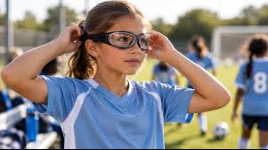
Different sports require different combinations of fit and coverage. A baseball player may prefer a frame that remains secure during quick movements and provides good coverage under direct sunlight. A runner may prioritize low weight and minimal pressure during longer sessions.
Cyclists may appreciate broad coverage against wind and road debris, although sunglasses should not be treated as a substitute for proper protective equipment. Hikers may prefer versatile lenses suitable for variable outdoor conditions.
The frame should fit securely without pinching. Nose pads, temple grips, and wraparound designs can help reduce movement, but comfort varies from person to person. Buyers should examine the sizing information rather than assuming that every sports frame fits the same way.
Look at Frame and Lens Materials
Material choices influence weight, durability, flexibility, and overall comfort. Some frames are designed to bend slightly under pressure, while others emphasize a firm structure. The best option depends on the intended use and the manufacturer’s specifications.
Lens materials also vary. Buyers should check the stated impact resistance and understand the limits of the product. Standard sports sunglasses may not provide the same protection as certified eyewear designed for high-impact sports or industrial environments.
Scratch resistance and easy cleaning can be useful practical features, but no lens coating is completely immune to damage. Proper storage and maintenance help preserve the product’s condition.
Consider Weather and Light Conditions
The amount of light can change throughout the day, and outdoor activities may move between open sunlight and shaded areas. Fixed-tint lenses can work well when conditions remain fairly consistent. Other designs may be intended to adapt to changing light, but buyers should verify how the specific product performs.
For activities that begin early or continue toward sunset, visibility can be just as important as glare reduction. Very dark lenses may be inconvenient in low-light conditions. Consider the likely environment before choosing a tint.
Buying for Personal or Commercial Use
Individual buyers can focus on comfort, fit, and features for their favorite activities. Retailers, sports clubs, and distributors need to think about a wider range of requirements, including sizing options, product consistency, packaging, and supply reliability.
A professional sports sunglasses supplier should be able to explain the product range and provide clear specifications. For wholesale orders, ask about sample availability, minimum quantities, lead times, quality checks, and return terms.
Comparing suppliers on these practical points can help businesses avoid unexpected costs and make more confident purchasing decisions.
Care and Maintenance
Clean lenses with a suitable cloth and cleaner recommended by the manufacturer. Avoid placing sunglasses lens-down on rough surfaces, and store them in a protective case when they are not being worn.
Check screws, nose pads, and frame alignment periodically. If the lenses become badly scratched or the frame is damaged, consider replacing the eyewear rather than continuing to use a product that no longer fits or functions properly.
Conclusion
Sports sunglasses are most useful when their features match the demands of the activity. UV protection, secure fit, suitable lens tint, durable construction, and comfortable materials should all be part of the selection process.
Taking time to compare products can improve the likelihood of finding eyewear that performs well in everyday outdoor conditions. For businesses, clear specifications and dependable supplier communication are equally important to maintaining product quality and customer satisfaction.