Introduction
Skincare technology has developed considerably in recent years, giving people more options for building consistent beauty routines at home or in professional settings. Alongside traditional cleansers, moisturizers, and cosmetic treatments, light-based beauty equipment has attracted attention from skincare enthusiasts and aesthetic professionals. These devices are designed for different purposes, including supporting skincare routines and providing non-invasive cosmetic treatment options.
Choosing suitable equipment requires more than comparing appearance or price. Buyers should understand the technology, consider their intended use, and review the device’s specifications before making a decision. A well-informed approach can help individuals and businesses select equipment that fits their needs without relying on unrealistic promises.
Understanding Red Light Beauty Technology
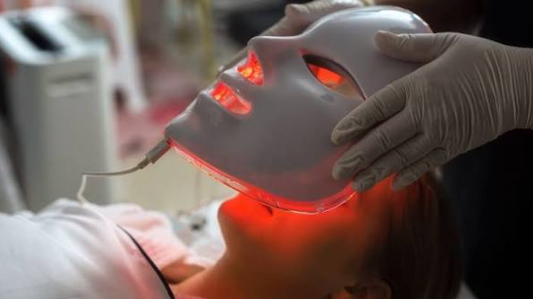
Red light beauty equipment uses specific wavelengths of visible light for cosmetic applications. Depending on the device, its design, and the manufacturer’s instructions, it may be intended for facial skincare or other aesthetic uses. Some devices combine red light with additional light settings, allowing users to select from different treatment modes.
The technology is not identical across all products. Differences in wavelength, power output, treatment area, operating time, and construction can affect how a device should be used. Therefore, buyers should look beyond marketing descriptions and check the technical information supplied by the manufacturer.
It is also important to maintain realistic expectations. Beauty equipment does not replace a balanced skincare routine, and results can vary according to the device, individual circumstances, and consistency of use.
Identify Your Main Purpose
The first step is to define why you need the equipment. A consumer purchasing a home-use product may prioritize compact dimensions, straightforward controls, and easy storage. A beauty salon, on the other hand, may need a larger system designed for repeated professional use.
Before comparing models, consider the following questions:
- Will the device be used at home or in a professional environment?
- Is the intended application facial skincare or another cosmetic service?
- How much treatment area needs to be covered?
- Is portability important?
- What maintenance and cleaning procedures are required?
Clear answers make it easier to narrow down the available options and avoid paying for features that will rarely be used.
Compare Important Product Specifications
Technical specifications provide a more reliable basis for comparison than promotional claims alone. Check the stated wavelength range, treatment area, power requirements, session recommendations, and any available safety documentation.
The instructions should clearly explain how to position the device, how long to use it, and which precautions apply. Buyers should also determine whether protective eyewear is required and whether the equipment has restrictions for certain users.
For commercial buyers, durability is another important consideration. Materials, cooling arrangements, controls, replacement parts, and access to technical support may influence the long-term value of the equipment.
A product that costs less initially may not be the most economical choice if it is difficult to maintain or unsuitable for the intended workload.
Consider Safety and Responsible Use
Light-based equipment should always be used according to its instructions. Do not assume that every device is suitable for every skin type or condition. People with photosensitivity, certain medical conditions, or medications that increase sensitivity to light should consult an appropriate healthcare professional before use.
Avoid looking directly into light sources unless the instructions explicitly establish that it is safe. Use any recommended protective equipment and stop if unexpected discomfort occurs.
Professional providers should also establish consistent procedures for client screening, equipment cleaning, and session documentation. These practices help create a more responsible treatment environment.
Evaluate Suppliers Before Ordering
Supplier selection is especially important for salons, distributors, and businesses purchasing several units. Review product descriptions, technical documentation, warranty terms, shipping arrangements, and return policies before placing an order.
A supplier should be able to answer practical questions about operating requirements, accessories, maintenance, and available support. Buyers sourcing a red light beauty device can compare product categories and specifications before deciding which option best suits their application.
For larger purchases, request written quotations and confirm what is included in the price. Clarifying these details in advance can prevent misunderstandings after delivery.
Conclusion
Choosing red light beauty equipment is easier when the decision begins with a clear purpose, realistic expectations, and careful research. Buyers should compare technical specifications, review safety instructions, assess supplier reliability, and consider long-term maintenance rather than focusing on price alone.
Whether purchasing a single unit for personal use or evaluating equipment for a beauty business, an informed approach supports better purchasing decisions and more responsible use of skincare technology.