Workplace safety is a top priority in industries where employees perform tasks at heights or in hazardous environments. Construction sites, industrial plants, telecommunications towers, warehouses, and maintenance operations all require reliable fall protection equipment to reduce the risk of serious injuries and fatalities. Among the most important safety tools used in these environments are full body harnesses, which play a critical role in protecting workers from fall-related accidents.
Selecting the right harness is essential for ensuring comfort, mobility, compliance, and maximum safety. Modern fall protection harnesses are designed with advanced materials, ergonomic support, and specialized safety features to meet the growing demands of high-risk industries. Understanding how to choose the correct harness can significantly improve workplace safety and employee confidence.
What Is a Full Body Harness?
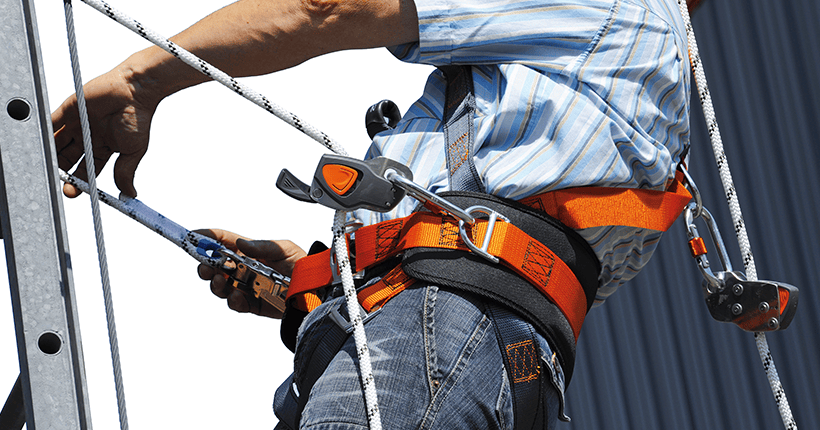
A full body harness is a personal protective equipment (PPE) device designed to distribute the force of a fall across the worker’s body safely. Unlike traditional safety belts, full body harnesses secure the shoulders, chest, waist, and legs to minimize injury during fall arrest situations.
These harnesses are a key component of modern fall arrest systems and are commonly connected to lifelines, lanyards, anchor points, and self-retracting devices. High-quality fall protection harnesses help workers remain secure while allowing them to move freely and perform tasks efficiently.
Full body harnesses are required in many industries where employees work at elevated heights or near dangerous edges. Proper selection and usage are critical for reducing fall hazards and ensuring regulatory compliance.
See also: The Importance of Surveillance Systems in Business
Why Choosing the Right Harness Matters
Not all harnesses are designed for the same working conditions. Choosing the wrong harness can lead to discomfort, restricted movement, poor performance, and increased accident risks.
The right fall protection harnesses provide several important benefits:
- Improved worker safety
- Better comfort during long work hours
- Enhanced mobility and productivity
- Reduced fatigue
- Compliance with workplace safety standards
- Increased durability in harsh environments
Employers who invest in proper safety equipment not only protect their workforce but also reduce downtime, compensation claims, and legal liabilities.
Types of Fall Protection Harnesses
Different industries and work tasks require different types of harnesses. Understanding the available options helps organizations choose the most suitable equipment for their operations.
General Purpose Harnesses
General-purpose harnesses are commonly used in construction, warehousing, and basic maintenance work. They typically include a dorsal D-ring for fall arrest and adjustable straps for comfort.
These fall protection harnesses are ideal for standard work-at-height tasks that do not require specialized positioning or climbing features.
Positioning Harnesses
Positioning harnesses are designed for workers who need to remain in a fixed working position while keeping both hands free. These harnesses often include side D-rings for added support and stability.
They are widely used by utility workers, telecommunications technicians, and tower climbers.
Suspension Harnesses
Suspension harnesses are designed for tasks involving prolonged hanging or vertical work. They provide extra padding and support to reduce strain and improve comfort.
Industries such as window cleaning, rope access, and industrial maintenance often use these advanced fall protection harnesses.
Retrieval Harnesses
Retrieval harnesses are commonly used in confined space entry operations. They allow workers to be safely lifted or rescued during emergencies.
These harnesses include specialized attachment points for rescue and retrieval systems.
Key Features to Consider When Choosing a Full Body Harness
Selecting the right harness requires careful evaluation of workplace conditions, job responsibilities, and worker comfort needs.
Proper Fit and Adjustability
A harness must fit correctly to provide effective fall protection. Loose or improperly adjusted harnesses can increase injury risks during a fall.
Look for harnesses with adjustable shoulder, chest, and leg straps to ensure a secure and comfortable fit for different body types.
Modern fall protection harnesses often include quick-connect buckles and ergonomic designs that improve usability and reduce setup time.
Weight Capacity
Different harness models support different weight limits. Employers should choose harnesses capable of safely accommodating workers along with their tools and equipment.
Always verify manufacturer specifications and safety ratings before purchasing.
Comfort and Padding
Workers who wear harnesses for extended periods require comfortable equipment to minimize fatigue and improve productivity.
Padded shoulder straps, breathable materials, and lightweight construction can significantly enhance user comfort.
D-Ring Configuration
D-rings are attachment points used for fall arrest, positioning, and rescue applications. The required configuration depends on the type of work being performed.
Common D-ring placements include:
- Back D-ring for fall arrest
- Side D-rings for positioning
- Front D-rings for climbing and ladder work
- Shoulder D-rings for rescue operations
Choosing the correct configuration ensures the harness meets operational requirements.
Durability and Material Quality
High-risk work environments expose safety equipment to harsh weather, chemicals, heat, and heavy wear. Durable materials are essential for long-lasting performance.
Premium fall protection harnesses are often made from high-strength polyester or nylon webbing with corrosion-resistant hardware for maximum reliability.
Importance of Compliance and Safety Standards
Employers must ensure that all harnesses comply with occupational safety regulations and industry standards. Certified equipment provides assurance that the harness has been tested for strength, durability, and performance.
Regular inspections are equally important. Workers should inspect harnesses before each use to identify signs of wear, damaged stitching, corrosion, or broken hardware.
Companies should also implement scheduled maintenance and replacement programs to maintain the effectiveness of their fall protection harnesses.
Common Mistakes to Avoid When Selecting Harnesses
Choosing a harness based only on price can compromise worker safety and long-term reliability. Several common mistakes should be avoided during the selection process.
Ignoring Worker Comfort
Uncomfortable harnesses can reduce worker compliance and increase fatigue during long shifts.
Using the Wrong Harness Type
Different tasks require different safety features. A general-purpose harness may not be suitable for confined space entry or rope access work.
Overlooking Environmental Conditions
Extreme temperatures, moisture, chemicals, and UV exposure can affect harness durability. Specialized materials may be necessary for harsh environments.
Failing to Provide Training
Even the best fall protection harnesses are ineffective if workers are not properly trained in their use, inspection, and maintenance.
Technological Advancements in Fall Protection Harnesses
Safety equipment manufacturers continue developing innovative solutions to improve worker protection and operational efficiency.
Smart Harness Technology
Modern harnesses can now include sensors that monitor worker movement, detect falls, and send emergency alerts to supervisors.
Lightweight Materials
Advanced materials reduce overall harness weight while maintaining high strength and durability.
Improved Ergonomic Design
New ergonomic designs distribute weight more evenly, reducing strain on workers and increasing comfort during long hours of use.
Integrated Tool Storage
Some advanced fall protection harnesses feature built-in tool holders and accessory attachment points for improved convenience and productivity.
Training and Proper Usage
Proper training is essential for maximizing the effectiveness of full body harnesses. Workers should understand:
- How to wear and adjust the harness correctly
- How to inspect equipment before use
- How to connect to anchor systems safely
- Emergency rescue procedures
- Weight and usage limitations
Regular training sessions help reinforce safe work practices and reduce workplace accidents.
Conclusion
Choosing the right full body harness is a critical step in creating a safer work environment for employees operating at heights or in hazardous conditions. The right harness improves comfort, mobility, compliance, and overall worker protection while reducing the risk of serious injuries.
Modern fall protection harnesses are designed with advanced technology, ergonomic support, and specialized safety features to meet the demands of today’s industrial workplaces. By carefully evaluating workplace hazards, job requirements, and equipment quality, businesses can invest in reliable harness systems that provide maximum protection and long-term safety performance.