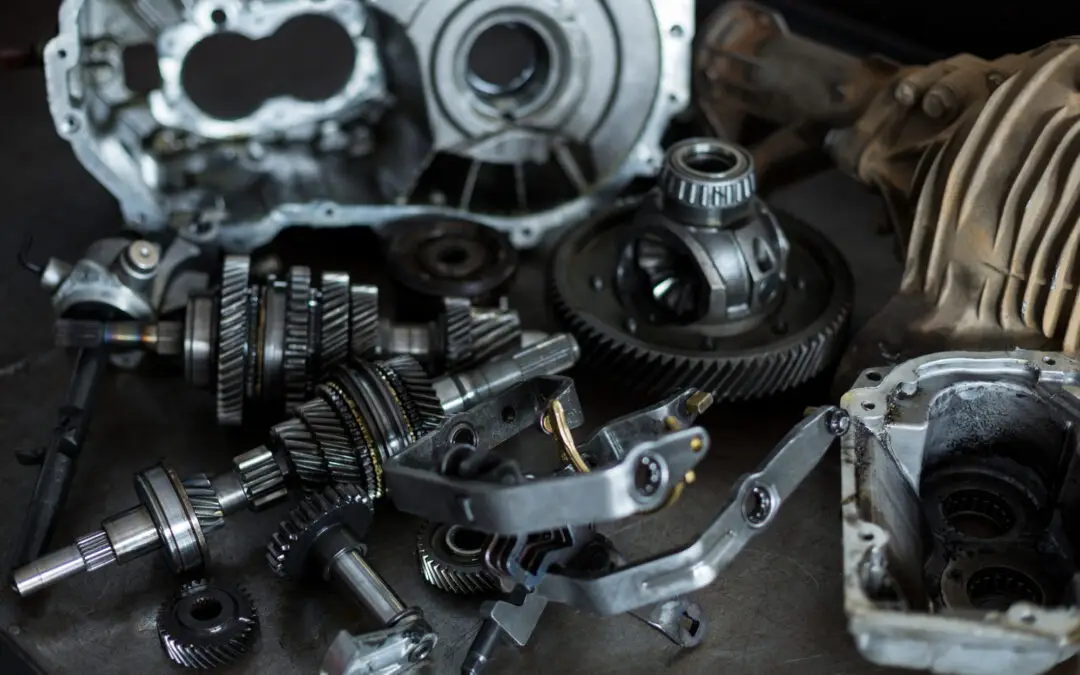
Machine tools are the backbone of modern manufacturing, enabling businesses to produce high-precision components efficiently and consistently. Whether you operate CNC machines, lathes, milling machines, grinders, or drilling equipment, maintaining optimal performance depends heavily on using the correct spare parts. Selecting the wrong components can lead to equipment failure, reduced productivity, increased maintenance costs, and compromised product quality. This guide explains how to choose the right machining spare parts for your machine tools, helping you maximize performance, reliability, and return on investment.
Understanding the Importance of Quality Spare Parts
Every machine tool consists of numerous components working together to achieve precise machining operations. Over time, parts naturally wear out due to friction, heat, vibration, and continuous operation. Replacing worn components with high-quality spare parts is essential for maintaining machine accuracy and preventing costly downtime.
Using substandard or incompatible spare parts may seem like a cost-saving measure initially, but it often results in frequent breakdowns, poor machining accuracy, and shortened machine lifespan. Investing in reliable machining spare parts ensures smooth operations, improved efficiency, and long-term cost savings.
See also: Tech!Espresso: Calgary’s Premier In-Home Computer
Identify the Exact Machine Specifications
Before purchasing any replacement component, it is crucial to understand your machine’s specifications. Manufacturers design machine tools with precise tolerances and compatibility requirements. Even slight variations can affect performance.
Start by gathering essential information such as:
- Machine model and serial number
- Manufacturer details
- Year of manufacture
- Existing part number
- Technical specifications
- Maintenance manual references
Having accurate information reduces the risk of ordering incorrect parts and ensures seamless installation.
Choose Genuine OEM Parts Whenever Possible
Original Equipment Manufacturer (OEM) parts are specifically designed and tested for your machine tool. These components meet the exact specifications established by the manufacturer and provide optimal compatibility.
Benefits of OEM machining spare parts include:
- Guaranteed fit and performance
- Consistent quality standards
- Improved machine reliability
- Longer operational lifespan
- Manufacturer warranty support
Although OEM parts may cost more than generic alternatives, their reliability often results in lower total maintenance expenses over time.
Evaluate Aftermarket Spare Parts Carefully
In some situations, aftermarket components can provide a practical and cost-effective solution. However, not all aftermarket suppliers maintain the same quality standards.
When considering aftermarket machining spare parts, evaluate:
- Supplier reputation
- Material quality
- Manufacturing certifications
- Product reviews
- Warranty coverage
- Technical support availability
Reputable aftermarket manufacturers often produce high-quality components that perform comparably to OEM parts while offering competitive pricing.
Consider Material Quality and Durability
The material composition of a spare part significantly influences its performance and longevity. Components exposed to high stress, heat, or friction require superior materials to withstand demanding operating conditions.
Common materials used in machine tool spare parts include:
- Hardened steel
- Alloy steel
- Stainless steel
- Carbide
- Ceramic composites
- Engineering plastics
When purchasing machining spare parts, verify material specifications and ensure they meet or exceed the original component’s requirements. High-quality materials reduce wear rates and improve machine efficiency.
Verify Precision and Manufacturing Standards
Machine tools rely on extreme precision. Even minor dimensional inaccuracies can negatively affect machining performance and finished product quality.
Choose spare parts manufactured according to recognized quality standards such as:
- ISO certifications
- DIN standards
- ANSI specifications
- Industry-specific quality requirements
Precision-engineered machining spare parts help maintain machine accuracy, reduce vibration, and improve production consistency.
Assess Supplier Reliability
The quality of your supplier is just as important as the quality of the spare part itself. A trusted supplier can provide expert guidance, technical support, and reliable delivery schedules.
When evaluating suppliers, consider:
Industry Experience
Established suppliers often possess extensive knowledge of machine tool systems and can recommend suitable replacement components.
Inventory Availability
Reliable suppliers maintain sufficient stock levels to minimize lead times and reduce downtime.
Customer Service
Responsive support teams can help resolve compatibility questions and expedite urgent orders.
Technical Documentation
Quality suppliers provide detailed product specifications, installation instructions, and maintenance recommendations.
Partnering with a dependable supplier ensures continuous access to high-quality machining spare parts whenever needed.
Analyze Cost Versus Long-Term Value
Price should never be the sole factor when selecting spare parts. While cheaper components may appear attractive initially, they often lead to higher maintenance costs and shorter replacement intervals.
Consider the total cost of ownership, including:
- Purchase price
- Installation expenses
- Downtime costs
- Maintenance frequency
- Expected service life
- Impact on production quality
Investing in premium machining spare parts often delivers greater value through improved durability and reduced operational disruptions.
Check Compatibility with Existing Systems
Modern machine tools frequently incorporate advanced automation, sensors, control systems, and software integration. Spare parts must be fully compatible with these interconnected systems.
Before purchasing components such as:
- Servo motors
- Ball screws
- Bearings
- Encoders
- Drive systems
- Tool changers
Verify electrical, mechanical, and software compatibility. Proper integration ensures smooth machine operation and prevents unexpected system errors.
Prioritize Critical Components
Certain machine tool components directly impact precision, productivity, and safety. These critical parts deserve special attention during selection and replacement.
Examples include:
- Linear guides
- Spindles
- Bearings
- Hydraulic systems
- Ball screws
- Tool holders
- Drive motors
High-quality machining spare parts for these critical systems contribute significantly to overall machine performance and production accuracy.
Consider Future Maintenance Requirements
Effective spare parts management extends beyond immediate replacement needs. Forward-thinking maintenance planning helps reduce unexpected downtime and improve operational efficiency.
Create an inventory strategy that includes:
- Frequently replaced components
- Critical backup parts
- Scheduled maintenance items
- Emergency replacement stock
Maintaining a well-organized spare parts inventory ensures essential machining spare parts remain readily available when required.
Review Warranty and Support Services
Warranty coverage reflects a manufacturer’s confidence in product quality. Before purchasing spare parts, review warranty terms carefully and understand what is covered.
Look for suppliers offering:
- Product warranties
- Technical assistance
- Installation guidance
- Replacement policies
- Maintenance recommendations
Comprehensive support services can significantly simplify maintenance procedures and reduce operational risks.
Stay Updated with Technological Advancements
Machine tool technology continues to evolve rapidly. Manufacturers frequently introduce upgraded components that improve efficiency, durability, and precision.
Modern innovations may include:
- Enhanced bearing materials
- Advanced spindle technologies
- Improved lubrication systems
- Smart monitoring sensors
- Energy-efficient drive systems
Upgrading to advanced machining spare parts can improve machine performance while reducing maintenance requirements and operating costs.
Conclusion
Selecting the right spare parts for machine tools is a critical aspect of maintaining manufacturing efficiency, product quality, and equipment longevity. By understanding machine specifications, prioritizing quality materials, evaluating supplier reliability, ensuring compatibility, and focusing on long-term value rather than initial cost, businesses can make informed purchasing decisions.
Whether choosing OEM or high-quality aftermarket solutions, investing in dependable machining spare parts helps minimize downtime, optimize productivity, and extend machine life. A strategic approach to spare part selection not only protects valuable equipment but also strengthens overall operational performance in today’s competitive manufacturing environment.