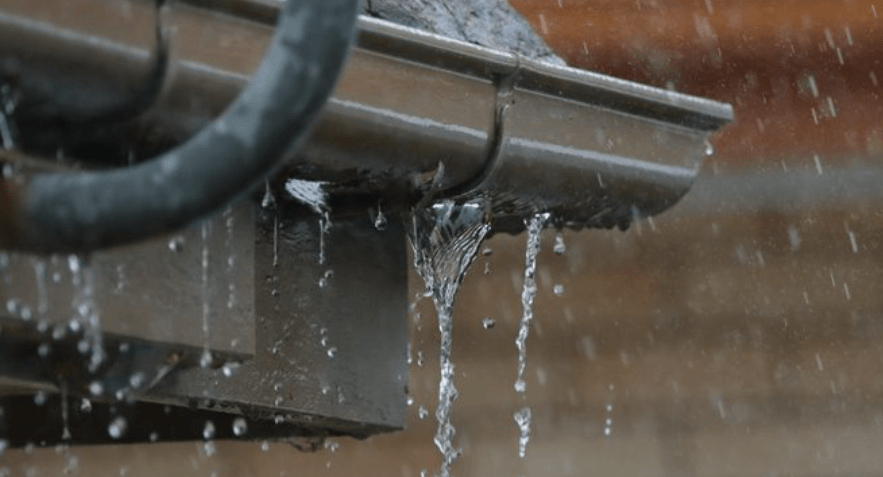
Water dripping behind gutters is a common issue that many homeowners encounter, especially after heavy rainfall or during seasonal changes. This problem can lead to significant damage to your home’s fascia boards, siding, and even the foundation if left unaddressed. Understanding why water escapes the intended path and seeps behind the gutter system is crucial for maintaining the integrity of your property. Several factors, including improper installation, clogged gutters, and roof design flaws, can contribute to this issue. Addressing the root causes promptly can help prevent costly repairs and ensure your home remains protected from water damage.
What Causes Water Behind Gutters
Improper Gutter Installation
One of the most frequent reasons water drips behind gutters is improper installation. When gutters are not mounted correctly, gaps can form between the gutter and the fascia board. These gaps allow rainwater to bypass the gutter entirely, running down the back and potentially causing rot or mold growth on the wood. Sometimes, installers may neglect to use a drip edge, a thin metal flashing that directs water into the gutter. Without this crucial component, water can easily slip behind the gutter, especially during heavy downpours. Over time, this persistent moisture can compromise the structural integrity of your home’s exterior. Ensuring that gutters are installed flush against the fascia and that all necessary components are in place is essential for effective water management.
The Role of Drip Edge Flashing
Drip edge flashing is a simple yet vital part of any gutter system. Its main function is to guide water from the roof shingles directly into the gutter, preventing it from seeping behind. When a home lacks drip edge flashing, or if it is improperly installed, water can travel along the underside of the shingles and end up behind the gutter. This is a common oversight during roof or gutter replacement projects. Homeowners in areas with frequent rainfall, such as those considering a gutter install hanover, should pay close attention to the presence and condition of drip edge flashing. Properly installed flashing not only protects the fascia but also extends the lifespan of both the roof and gutter system.
Clogged Gutters and Downspouts
Another significant factor contributing to water dripping behind gutters is clogging. Leaves, twigs, and other debris can accumulate in gutters and downspouts, obstructing the normal flow of water. When water cannot move freely through the system, it can overflow and find alternative paths, including behind the gutter. This overflow is particularly problematic during storms or when snow melts rapidly. The excess water can saturate the fascia and soffit, leading to wood rot, peeling paint, and even interior leaks if the problem persists. Regular cleaning and maintenance of gutters and downspouts are necessary to prevent blockages and ensure that water is efficiently channeled away from your home.
Short Paragraph: Signs of Water Issues
Homeowners should watch for signs like peeling paint, mold growth, or water stains on the fascia and siding. These indicators often point to water escaping behind the gutters. Early detection of these symptoms can help prevent more severe damage and costly repairs. Addressing the issue promptly ensures your home remains protected from moisture-related problems.
Roof Design and Pitch
The design and pitch of your roof play a crucial role in how water is directed toward the gutters. Roofs with a low pitch may not shed water as quickly, causing it to pool near the edge and potentially seep behind the gutter. Conversely, steeply pitched roofs can send water rushing down too quickly for the gutter to handle, leading to overflow and backflow issues. Additionally, if the roof shingles do not extend far enough over the gutter, water can drip behind instead of into the gutter channel. Ensuring that your roof design complements your gutter system is essential for optimal water management. Consulting with a professional during roof or gutter replacement can help identify and address any design flaws that may contribute to water problems.
See also: Modern Home Architecture: Designing Spaces That Inspire Everyday Living
Aging or Damaged Gutters
Over time, gutters can deteriorate due to exposure to the elements. Metal gutters may rust, while vinyl gutters can crack or warp. These forms of damage can create gaps or misalignments that allow water to escape behind the gutter. Additionally, the fasteners that hold the gutter in place can loosen, causing the gutter to pull away from the fascia. This separation provides an easy path for water to bypass the gutter system entirely. Regular inspections can help identify signs of wear and tear before they lead to more significant issues. Replacing or repairing damaged sections promptly is key to maintaining an effective gutter system and protecting your home from water intrusion.
Conclusion
Addressing water dripping behind gutters is essential for preserving the structural integrity and appearance of your home. This issue can arise from a variety of causes, including improper installation, missing drip edge flashing, clogged gutters, roof design flaws, and aging materials. By understanding these factors and taking proactive steps such as regular maintenance, timely repairs, and ensuring proper installation, homeowners can prevent water from causing extensive damage to their property. Early intervention not only saves money on repairs but also helps maintain a safe and comfortable living environment. Keeping your gutter system in top condition is a crucial part of responsible homeownership.