The transportation landscape is changing as people search for more efficient, compact, and environmentally friendly ways to travel short distances. Among the most notable solutions gaining traction are golf carts, which are no longer limited to golf courses. These small vehicles are becoming a central part of the future of low-speed vehicles, offering a practical alternative for controlled environments, residential communities, and commercial spaces.
The Rise of Low Speed Mobility
Low-speed vehicles are designed for short trips and areas where high-speed travel is unnecessary. Golf carts fit perfectly into this category because they provide a balance between convenience and simplicity. As cities and private developments look for ways to reduce congestion and emissions, golf carts are stepping into a more prominent role. Their compact size allows easy navigation through narrow paths and crowded spaces, making them ideal for modern mobility needs.
Advancements in Electric Technology
One of the biggest factors driving the future of golf carts is the rapid advancement in electric vehicle technology. Modern golf carts now feature improved battery systems, longer range, and faster charging capabilities. These upgrades make them more reliable for everyday use. Electric power also means reduced noise and zero direct emissions, which aligns with the global push toward cleaner transportation solutions.
Manufacturers continue to innovate with smarter energy systems, regenerative braking, and lightweight materials. These improvements enhance efficiency while keeping operating costs low. As a result, golf carts are becoming more popular among people and companies looking for environmentally friendly ways to get around.
Expanding Use Cases Beyond Golf
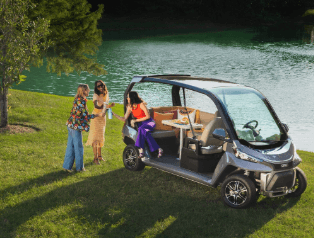
Golf carts are no longer limited to transporting players across fairways. Today, they are widely used in resorts, campuses, industrial facilities, and large residential areas. Their versatility allows them to serve as utility vehicles, passenger carriers, and even delivery solutions in controlled environments.
Businesses are also starting to see how useful it is to use golf carts in their processes. From maintenance teams to event management staff, these vehicles provide a reliable way to move people and equipment efficiently. This growing demand highlights how golf carts are evolving into essential tools for modern infrastructure.
Customization and Smart Features
Another factor shaping the future of golf carts is the increasing demand for customization. Users now expect more than basic functionality. They want comfort, style, and advanced features. Modern golf carts can include upgraded seating, weather protection, infotainment systems, and enhanced safety features.
Smart technology is also becoming a part of the golf cart experience. GPS tracking, digital dashboards, and connectivity options allow users to monitor performance and manage usage more effectively. These innovations bring golf carts closer to traditional vehicles while maintaining their simplicity and efficiency.
See also: Regain Control of Your Life With Drug Addiction Treatment
Role of Trusted Providers
As the market grows, trusted providers play an important role in delivering quality and innovation. Companies like Grapevine Golf Cars are contributing to the expansion of this industry by offering a wide range of modern, reliable options. Their focus on performance, customization, and customer needs helps drive the adoption of golf carts in new and diverse settings.
Sustainability and Future Outlook
Sustainability remains a key factor in the rise of low-speed vehicles. Golf carts consume less energy compared to traditional vehicles and require minimal maintenance. Their electric nature reduces dependence on fossil fuels and supports cleaner air in local environments.
Looking ahead, golf carts are expected to play a larger role in smart city planning and eco-friendly transportation systems. As infrastructure adapts to support low-speed vehicles, these carts will become more integrated into daily life. Dedicated pathways, charging stations, and improved regulations will further enhance their usability.
Conclusion
Golf carts are no longer just recreational vehicles. They represent a growing segment of low-speed transportation that prioritizes efficiency, sustainability, and convenience. With continuous advancements in technology and expanding use cases, golf carts are shaping the future of mobility in meaningful ways. As more people and businesses embrace these vehicles, their role in modern transportation systems will only continue to grow.