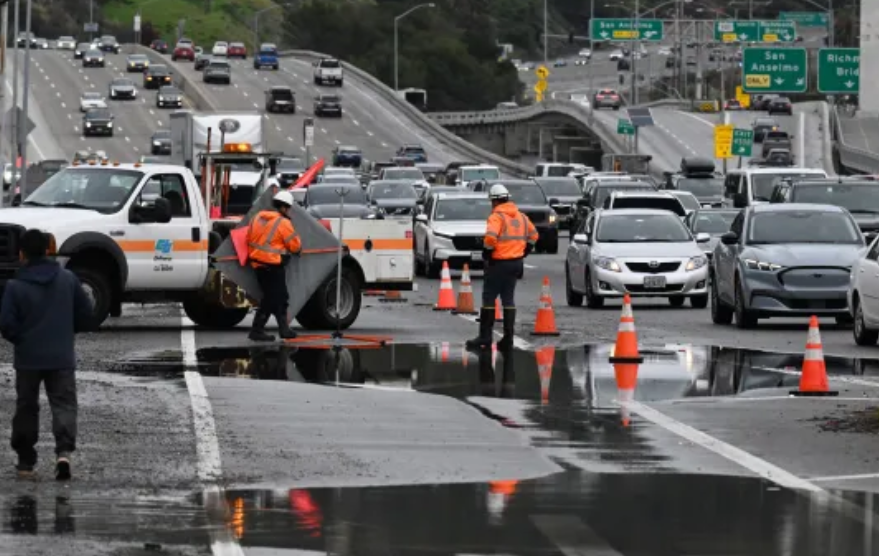
Australia is no stranger to extreme weather events. From devastating bushfires and widespread flooding to severe storms and cyclones, natural catastrophes can generate an unprecedented surge in insurance claims within days. During these periods, insurers face an enormous operational challenge-processing thousands of claims quickly while maintaining service quality, regulatory compliance, and customer trust.
Maintaining a large permanent workforce capable of handling catastrophic claim volumes throughout the year is neither practical nor cost-effective. Instead, insurers are increasingly investing in flexible operating models that enable them to scale rapidly when disaster strikes and optimize resources during normal business operations.
Modern catastrophe claims management in Australia combines intelligent workforce planning, digital technologies, automation, and strategic outsourcing to ensure insurers remain prepared for unpredictable claim surges without carrying excess operational capacity year-round.
Australia’s Growing Catastrophe Risk
Climate-related disasters have become more frequent and more severe across Australia. Bushfires, floods, hailstorms, and severe weather events can impact entire communities simultaneously, creating sudden spikes in insurance claims across motor, home, commercial, and agricultural policies.
Unlike routine claims, catastrophe events require insurers to process large volumes of claims under significant time pressure while supporting customers experiencing major personal and financial hardship.
An effective catastrophe claims management in Australia strategy therefore requires more than simply increasing staff numbers. Insurers must be able to coordinate people, technology, processes, suppliers, and communication channels to maintain operational performance throughout the event.
Preparation before disasters occur is often the biggest factor determining how successfully insurers respond afterward.
See also:Strengthening Business Agility in a Data-Driven Economy
Responding to Bushfire and Flood Claims Surge
A major bushfire flood claims surge can overwhelm traditional claims operations within hours. Thousands of policyholders may simultaneously report property damage, request emergency assistance, upload documentation, and seek updates on claim progress.
Without scalable operating models, call center queues grow longer, claims processing slows, and customer frustration increases.
Leading insurers prepare for these events through detailed catastrophe response plans. Digital First Notice of Loss (FNOL) systems allow customers to report claims online, while automated triage tools classify claims according to urgency and complexity.
Artificial intelligence also assists by extracting information from claim documents, prioritizing high-risk cases, and routing straightforward claims directly through automated workflows.
These capabilities allow insurers to respond more efficiently during a bushfire flood claims surge, reducing delays while ensuring vulnerable customers receive timely assistance.
Building CAT Event Scalability Into Insurance Operations
Successful disaster response depends on strong CAT event scalability rather than maintaining excessive permanent staffing levels.
Instead of employing large claims teams year-round, insurers build flexible operating models capable of expanding rapidly during catastrophic events. These models typically combine permanent employees, trained contingent staff, specialist partners, remote support teams, and AI-powered automation.
Cloud-based claims platforms enable additional teams to begin handling claims quickly regardless of location. Automated workflow management distributes workloads across available resources while maintaining service consistency.
Digital communication channels-including chatbots, customer portals, SMS updates, and self-service applications-also reduce pressure on contact centers by enabling customers to access claim information independently.
By investing in CAT event scalability, insurers improve operational resilience while maintaining cost efficiency during periods of normal claims activity.
Technology Accelerates Catastrophe Claims Processing
Technology plays a central role in modern catastrophe response. Artificial intelligence, automation, drone imagery, satellite data, and predictive analytics allow insurers to assess damage faster while improving decision-making.
AI-powered document processing automatically extracts information from claim forms, invoices, repair estimates, and supporting documentation. Computer vision technology analyzes property damage from uploaded images, helping assess claim severity before physical inspections occur.
Predictive analytics assists resource planning by forecasting claim volumes based on weather events, geographic exposure, and historical catastrophe data.
These technologies reduce manual effort while enabling claims professionals to focus on complex cases requiring human expertise and empathy.
Combined with scalable operational processes, digital transformation significantly strengthens catastrophe claims management in Australia.
Peak Claims Staffing ANZ Without Permanent Expansion
One of the biggest operational challenges for insurers is preparing for unpredictable spikes in demand without carrying unnecessary staffing costs throughout the year.
Modern peak claims staffing ANZ strategies emphasize workforce flexibility rather than permanent expansion.
Insurers increasingly rely on cross-trained employees, temporary catastrophe response teams, outsourced claims specialists, remote workforces, and business process outsourcing partners capable of scaling operations rapidly.
Training programs ensure additional staff can quickly integrate into claims operations when required. Cloud-based systems allow remote teams across Australia, New Zealand, and global delivery centers to provide immediate operational support during major catastrophe events.
This flexible workforce model enables insurers to maintain high service levels during disasters while controlling operational costs during quieter periods.
Customer Experience Remains Critical During Catastrophes
While operational efficiency is important, customer experience becomes even more critical during catastrophic events. Policyholders affected by bushfires or floods often experience significant emotional distress and financial uncertainty.
Fast claims processing alone is not enough. Customers expect regular updates, transparent communication, empathy, and confidence that their insurer is actively supporting recovery efforts.
Leading insurers combine automation with human expertise to deliver compassionate service throughout the claims journey. AI handles repetitive administrative tasks while experienced claims professionals focus on complex conversations requiring emotional intelligence and personalized support.
This balanced approach improves both operational performance and customer trust during times when policyholders need support the most.
The Future of Catastrophe Claims Management in Australia
Extreme weather events are expected to remain a significant operational challenge for Australian insurers. Future success will depend on combining scalable technology, intelligent workforce planning, predictive analytics, and flexible operating models capable of responding rapidly to changing conditions.
Organizations like TP Australia help insurers strengthen catastrophe claims management in Australia by providing scalable customer experience operations, intelligent automation, digital claims support, and flexible workforce solutions. Through advanced strategies for managing bushfire flood claims surge events, improving CAT event scalability, and delivering agile peak claims staffing ANZ capabilities, TP Australia enables insurers to respond quickly to catastrophe events while maintaining operational efficiency, regulatory compliance, and exceptional customer service.
By combining technology with experienced claims professionals, insurers can protect customers during Australia’s most challenging natural disasters without maintaining oversized year-round operations.
Conclusion
Natural disasters place extraordinary pressure on insurance operations, making scalability a business necessity rather than a competitive advantage. Successful catastrophe claims management in Australia depends on preparation, technology, workforce flexibility, and customer-focused operations.
By planning for bushfire flood claims surge events, investing in CAT event scalability, and developing agile peak claims staffing ANZ strategies, insurers can process claims more efficiently, improve operational resilience, and deliver the compassionate support customers expect during difficult times.
As climate risks continue to evolve, insurers that embrace scalable, technology-enabled operating models will be best positioned to protect both their customers and their long-term business performance.
FAQs
1. What is catastrophe claims management in Australia?
Catastrophe claims management in Australia refers to the processes, technologies, and workforce strategies insurers use to manage large volumes of claims following natural disasters such as bushfires, floods, cyclones, and severe storms.
2. How do insurers handle a bushfire flood claims surge?
Insurers manage a bushfire flood claims surge using digital claims reporting, AI-powered claim triage, temporary workforce expansion, automation, and scalable contact center operations.
3. What is CAT event scalability?
CAT event scalability is an insurer’s ability to rapidly increase claims handling capacity during catastrophe events without maintaining a large permanent workforce throughout the year.
4. Why is peak claims staffing ANZ important?
Peak claims staffing ANZ enables insurers across Australia and New Zealand to quickly expand claims teams during disaster events while controlling operational costs during normal business periods.
5. How does AI improve catastrophe claims management?
AI helps automate claim intake, classify claim severity, process documents, analyze property damage, predict claim volumes, and accelerate claims handling during catastrophe events.