A great villain can completely change the experience of a game, comic, novel, or digital story. While heroes often receive most of the attention during character development, a well-designed antagonist gives the story its tension, conflict, and sense of direction.
For game developers and writers, creating a memorable villain involves much more than giving a character extraordinary powers. Their personality, motivations, appearance, dialogue, abilities, and even their name should work together to create a character that players or readers remember long after the story ends.
Start With the Villain’s Purpose
Before deciding on a name or appearance, think about the role your villain plays in the story.
Some antagonists are trying to gain control over a city, kingdom, corporation, or futuristic society. Others may simply want revenge against the protagonist. In gaming, a villain might be responsible for creating the central conflict that sends the player through multiple levels.
Defining the villain’s purpose makes the rest of the creative process easier. Once you understand what the character wants, you can develop a personality and visual identity that support that motivation.
For example, a calculating corporate antagonist might be better suited to a sophisticated and realistic identity, while a supernatural enemy could have a mysterious name and unusual abilities.
See also: Tech!Espresso: Calgary’s Premier In-Home Computer Repair Experts
Give the Character a Strong Personality
A villain becomes much more interesting when they have characteristics beyond simply being “evil.”
Consider whether your antagonist is:
- Intelligent and strategic
- Charismatic and persuasive
- Aggressive and unpredictable
- Quiet and mysterious
- Humorous but dangerous
- Obsessed with a particular goal
- Highly disciplined and patient
Personality can also influence how the villain communicates with other characters. A manipulative antagonist may speak calmly even when threatening someone, while an impulsive villain may rely on intimidation.
These details help prevent the character from feeling like a generic obstacle placed in front of the protagonist.
Choose a Name That Matches the Character
Names are especially important in games and fictional worlds because players may encounter them repeatedly. A strong name can communicate something about the character before the audience even learns their backstory.
You can experiment with different combinations of sounds, meanings, titles, and themes. If you are struggling to find an appropriate option, a villain name generator can provide ideas based on different styles and themes.
The generated suggestions can then be adjusted to better match your character. You might change a surname, combine elements from two names, or use one result as inspiration for an entirely different identity.
The goal isn’t necessarily to use the first name you find. Instead, treat generated names as creative starting points.
Match the Name to the Game or Story’s Genre
Genre has a major influence on how a villain should be named.
A fantasy game might feature an antagonist with an ancient-sounding name, while a science-fiction villain could have a shorter, futuristic identity. A modern crime story may work better with an ordinary name that hides the character’s darker personality.
For example, these approaches can create very different impressions:
Fantasy:
A name with old-world or mythical influences can make a character feel connected to an ancient world.
Science Fiction:
Shorter names, unusual combinations, or technological references can make an antagonist feel futuristic.
Horror:
An ordinary human name can sometimes be more unsettling than an obviously sinister one.
Comedy:
A deliberately exaggerated title or ridiculous name can immediately communicate that the villain is part of a lighter story.
Matching the name to the setting helps the character feel like they belong in the world rather than being imported from another genre.
Build a Distinctive Visual Identity
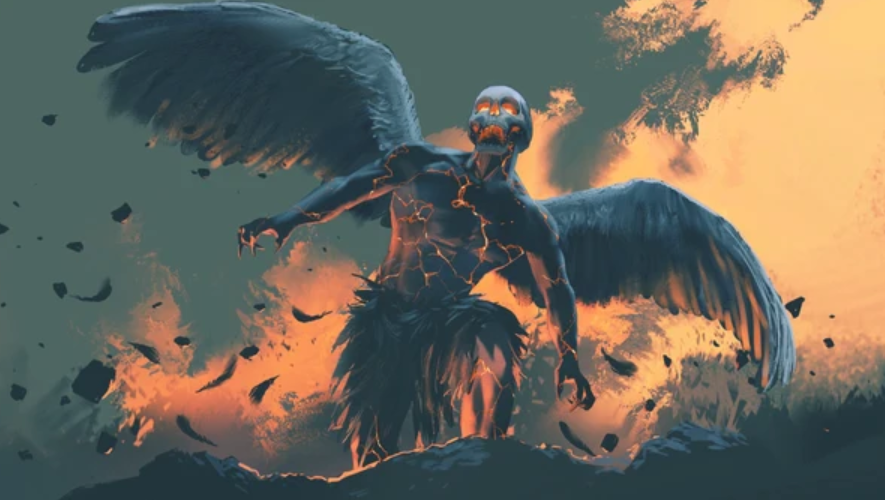
A memorable villain should also be recognizable visually.
This doesn’t necessarily mean giving them an elaborate costume. A distinctive silhouette, accessory, color scheme, weapon, mask, or hairstyle can be enough.
Game developers should consider how the character looks during gameplay. If the villain appears on a small screen or from a distance, their most important visual features should remain recognizable.
Writers can use similar principles through descriptions. Instead of explaining every detail, choose two or three characteristics that readers can easily remember.
Give the Villain a Real Motivation
One of the easiest ways to make an antagonist feel predictable is to give them a vague motivation such as “they want to destroy everything.”
A more convincing villain usually has a specific reason for pursuing their goal.
Perhaps they believe society is fundamentally broken and want to rebuild it according to their own rules. Maybe they experienced an event that changed their worldview. They could even believe that their actions are necessary to protect the people they care about.
The audience doesn’t have to agree with the villain’s reasoning. What matters is that the motivation makes sense within the character’s history.
Create a Relationship With the Protagonist
The strongest villain relationships often have a personal connection.
The antagonist could be:
- A former friend
- A rival
- A family member
- A former mentor
- A competing leader
- Someone with the same goal but different methods
This relationship creates additional emotional stakes. Instead of simply defeating another enemy, the protagonist may have to confront someone who understands their weaknesses, history, or ambitions.
For games, this relationship can also be revealed gradually through dialogue, missions, cutscenes, and environmental storytelling.
Let the Villain Evolve
Characters should not remain exactly the same from beginning to end.
As the story develops, the antagonist can become more desperate, confident, reckless, or reflective. Their relationship with the protagonist can change as well.
A villain who starts as a confident mastermind might begin making mistakes after losing control. Another antagonist might become more sympathetic when players discover the events that shaped their beliefs.
This progression gives the character a sense of movement and makes major confrontations feel earned.
Test the Character Before Finalizing Them
Before committing to a villain, test the character from several perspectives.
Say the name aloud. Imagine another character mentioning it in dialogue. Look at the name beside the protagonist’s name. Consider whether it fits the game’s setting and whether players will be able to remember and pronounce it.
You can also write a short scene featuring the villain. This often reveals weaknesses that aren’t obvious when the character exists only as a concept.
If the name, personality, motivation, and visual identity all feel consistent, you probably have a much stronger foundation.
Final Thoughts
Creating a memorable villain is a combination of storytelling, character design, and creative experimentation. The most effective antagonists usually have a clear purpose, recognizable personality, believable motivation, and an identity that fits the world around them.
A good name can reinforce all of these elements, but it should work together with the character rather than carrying the entire concept. Whether you’re developing a video game, writing a novel, creating a comic, or building a fictional universe, spending time on the antagonist can make the entire story more engaging.
Start with the character’s purpose, develop their personality, experiment with names and visual ideas, and keep refining the details until the villain feels like a real part of the world.