Introduction
Product labels do more than display a brand name. They can communicate product information, provide identification, improve shelf presentation, and help manufacturers maintain a consistent appearance across production batches. In plastic packaging manufacturing, in-mold labeling is one method used to integrate a label with a molded product during production.
Choosing the appropriate equipment requires a clear understanding of the molding process, label material, product design, output requirements, and factory conditions. A machine that works well for one container or production line may not be suitable for another. Careful evaluation helps manufacturers avoid unnecessary expense and improve the chances of a successful installation.
What Is In-Mold Labeling?
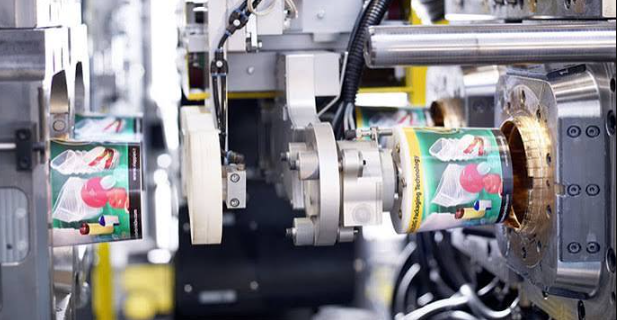
In-mold labeling involves placing a label inside a mold before or during the molding process so that it becomes integrated with the finished plastic product. Depending on the application, the label may become part of the surface rather than being attached afterward with a separate labeling step.
This approach can be used for selected containers and molded packaging products. The final result depends on the label material, plastic resin, mold design, temperature, pressure, and production settings.
Because these factors interact, in-mold labeling should be treated as a coordinated manufacturing process rather than simply a labeling machine added to an existing line.
Define the Product Requirements
Start by documenting the products that will be manufactured. Important details include container shape, dimensions, wall geometry, label size, surface curvature, and the type of plastic used.
A label intended for a flat container wall may require a different arrangement from one designed for a curved or tapered surface. The product design can influence how the label is held, positioned, and bonded during molding.
Manufacturers should also determine whether the same equipment must support several product sizes. Frequent changes between formats may affect tooling requirements, setup time, and overall productivity.
Providing accurate drawings, product samples, and label specifications gives suppliers a stronger basis for recommending a suitable solution.
Evaluate Automation and Label Handling
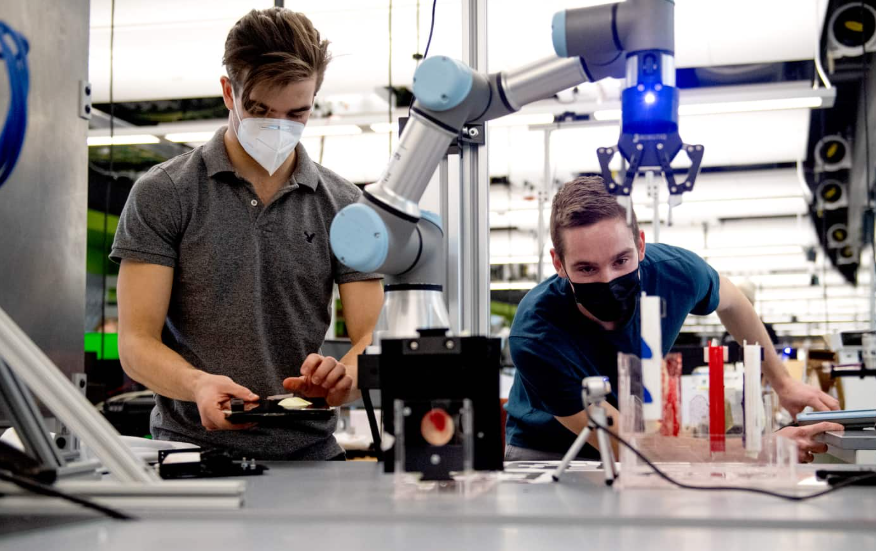
In-mold labeling equipment may use robotic or other automated mechanisms to transfer and position labels within the mold. The system must place the label accurately and consistently while coordinating with the molding cycle.
Buyers should ask how the machine handles label feeding, alignment, retention, and removal of finished products. They should also confirm the range of mold configurations and product formats supported.
An in mould labelling machine should be evaluated against the actual production requirements rather than a generic list of features. The relevant question is whether it can handle the intended label and container combination at the required quality and output level.
Assess Production Speed and Reliability
Cycle time is an important factor, but it should not be considered in isolation. The overall production rate depends on molding equipment, label handling, cooling, material supply, and downstream processes.
Ask suppliers for performance information based on a comparable application. Confirm whether quoted figures refer to ideal conditions or a complete production run, including normal handling and changeovers.
Reliability also matters. Frequent positioning errors, label jams, or difficult setup procedures can reduce the benefit of a high-speed machine. If possible, review a demonstration or conduct trials using the intended materials and product design.
Label Quality and Process Control
Label appearance depends on accurate positioning and compatibility between the label and molded product. Problems such as wrinkles, bubbles, misalignment, or incomplete bonding may arise when materials or process settings are unsuitable.
A quality-control plan should define acceptable positioning tolerances and visual standards. Operators should understand how to identify defects and what adjustments are permitted.
The label supplier and machine supplier may need to coordinate on material selection and testing. A successful process depends on the complete combination of label, resin, mold, and equipment.
Integration, Safety, and Maintenance
Before purchasing, evaluate the available factory space, electrical requirements, communication with the molding machine, guarding, and operator access. Installation planning should include commissioning, staff training, and a procedure for handling faults.
Maintenance requirements may include cleaning, inspection, replacement of wear components, and calibration of positioning mechanisms. Ask which spare parts are commonly required and how technical support is provided.
Safety features should be reviewed according to the equipment design and applicable workplace requirements. Operators need clear procedures for setup, cleaning, jam removal, and maintenance.
Compare Total Ownership Cost
The purchase price is only one part of the investment. Tooling, installation, integration, training, spare parts, energy use, and planned downtime all contribute to the total cost.
Manufacturers should compare these expenses with realistic expected benefits, such as improved presentation, reduced secondary labeling work, and more consistent production. Trials and supplier discussions can help establish whether the proposed system is suitable before a final commitment.
Conclusion
Selecting in-mold labeling equipment requires attention to product geometry, label compatibility, production speed, process reliability, and factory integration. A machine should be tested against the actual application wherever possible.
By documenting requirements and reviewing support, maintenance, and total cost, manufacturers can make a more informed decision and improve the likelihood of achieving consistent labeling results.