Battery fire injuries differ from ordinary auto accident claims because the crash can continue after the collision ends. A damaged lithium-ion battery can ignite later, burn intensely, and release hazardous smoke inside or near a vehicle. Occupants, rescuers, and nearby property owners face risks that standard collision analysis does not cover. These cases require medical, technical, and evidence review before responsibility and compensation can be assessed fairly.
A recent review of electric-vehicle crash data shows why model-specific details matter after a serious collision. The analysis compared fatal crashes with vehicles sold, then calculated crash rates per 10,000 cars. That method does not prove that a battery caused any particular injury, but it helps identify questions about vehicle design, crash forces, and post-impact fire behavior. Readers can review the underlying vehicle data through Levine and Wiss when comparing crash evidence with injury reports.
Fire Can Outlast the Collision
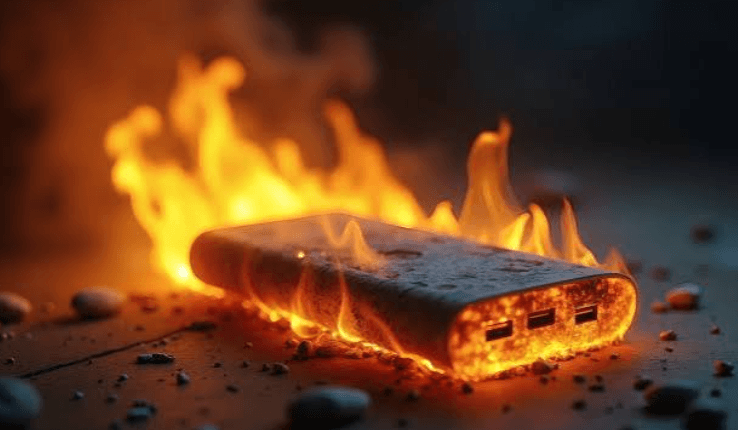
A gasoline vehicle fire often becomes apparent soon after impact. A battery fire can involve thermal runaway, a chain reaction in damaged battery cells that produces intense heat and additional cell failures. The battery can appear stable before igniting later. That delay changes how investigators examine the scene, emergency response, vehicle storage, and the time between the crash and the fire. A delayed fire can also injure people who were not inside the vehicle at the time of the original collision. Tow operators, firefighters, police officers, and nearby residents face exposure during removal or inspection.
Injuries Follow a Different Pattern
Battery fires produce severe thermal injuries because they generate sustained heat in a confined area. Occupants can suffer deep burns, airway injuries, and respiratory damage after inhaling smoke or toxic combustion products. Some people experience injuries while escaping through a damaged door or window. Broken glass, distorted frames, electrical hazards, and sudden flames can limit escape routes within seconds. Medical records should document every symptom, treatment, and exposure. Doctors, such as a burn specialist or a physician specializing in respiratory issues, can link the injury pattern to heat, smoke, or chemical exposure.
Evidence Can Disappear Quickly
A normal crash investigation often focuses on vehicle damage, road conditions, traffic signals, and driver actions. A battery fire investigation also requires photographs of the battery enclosure, charging system, warning messages, burn patterns, and emergency response. Fire suppression can alter or destroy evidence. Investigators should preserve vehicle images, dispatch records, fire department reports, repair invoices, towing records, and surveillance footage before those materials disappear. The vehicle should not be scrapped or repaired before qualified specialists examine it. Important evidence can include damaged battery modules, electrical connections, crash sensors, and software records.
Responsibility May Involve More Than One Party
A battery fire claim can involve the driver, another motorist, a vehicle owner, a repair facility, or a manufacturer. The responsible party depends on the crash sequence, maintenance history, battery condition, and conduct before the fire. A defective battery component creates a different legal question from careless driving. Poor repairs, improper charging equipment, or inadequate warnings can create separate theories of liability. State law controls how those claims proceed. Filing deadlines, comparative fault rules, evidentiary standards, and product liability requirements differ across jurisdictions, so early legal review matters.
Damages Require Broader Proof
Burn injuries often require emergency care, surgery, skin grafts, rehabilitation, and long-term pain treatment. Smoke exposure can create additional respiratory care, testing, medication, and follow-up appointments. Photos should show visible injuries as they heal, while medical records should preserve the treatment timeline. Employment records, receipts, insurance documents, and repair estimates help establish the full financial impact.
Financial losses extend beyond hospital bills. A seriously injured person may lose wages, require home assistance, need transportation, or face reduced earning capacity after permanent scarring or disability. Property damage also requires careful documentation. A battery fire can destroy the vehicle, personal belongings, charging equipment, a garage, or nearby structures.
Conclusion
Battery fire injury claims require a different investigation because the danger can continue after impact, injuries can involve heat and toxic smoke, and evidence can change during suppression or towing. Injured people should seek prompt medical care, preserve photographs and records, and avoid authorizing repairs or disposal before an evidence review. A qualified attorney can then assess liability, applicable deadlines, and damages under the law governing the crash location.