Renovating a home today is no longer limited to changing flooring, repainting walls, or replacing outdated furniture. Homeowners increasingly want spaces that are easier to use, more efficient, more comfortable, and better prepared for the future. This shift has made smart renovation in Dubai an increasingly relevant approach to modern home transformation.
A smart renovation combines thoughtful spatial planning with contemporary technology, efficient systems, durable materials, and personalised design. Instead of adding technology after the renovation is complete, the goal is to incorporate it into the property from the beginning so that it becomes a natural part of everyday living.
What Makes a Renovation Smart?
A smart renovation is not simply a renovation with a few connected devices. The concept begins with understanding how a home is used and identifying opportunities to improve its functionality. Technology can then be integrated into lighting, climate control, security, entertainment, access, and energy management.
For example, homeowners may want lighting that can be controlled according to different activities or times of day. Automated climate systems can provide greater control over indoor comfort, while smart security solutions can add convenience and peace of mind. The most effective approach is to make technology support the lifestyle of the residents rather than allowing technology to dominate the design.
See also: Tech!Espresso: Calgary’s Premier In-Home Computer Repair Experts
Start With Better Space Planning
Technology cannot solve a poorly planned layout. Before introducing smart systems, renovation should consider how people move through the property and how individual spaces are used. A kitchen, for example, needs efficient movement between preparation, cooking, storage, and dining areas. Bedrooms require privacy and adequate storage, while living areas may need flexibility for relaxation, entertainment, or socialising.
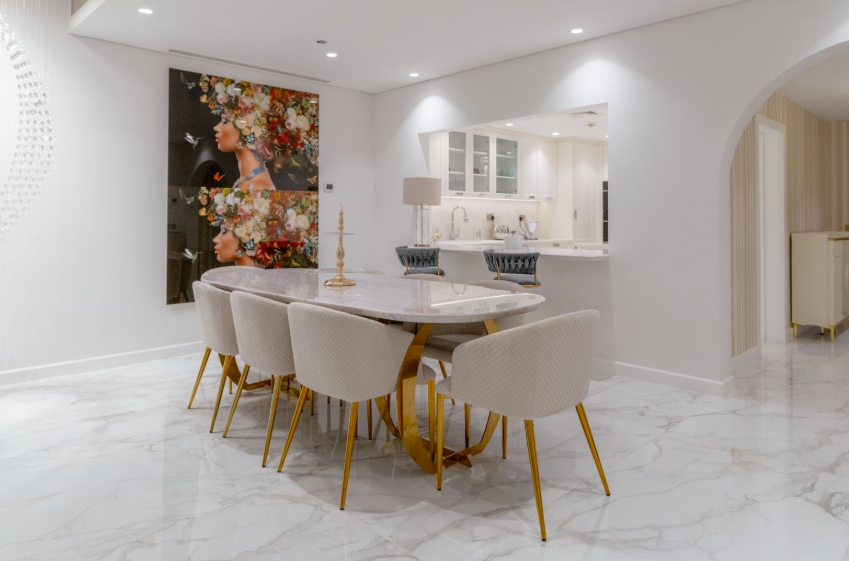
Reconsidering the layout can sometimes produce a bigger improvement than simply adding new finishes. Open-plan spaces, multifunctional rooms, integrated storage, and better circulation can make a home feel more spacious while improving its practical use.
Integrating Smart Lighting
Lighting is one of the most accessible ways to introduce technology into a renovated home. Instead of relying on one central light source, a modern lighting system can combine ambient, task, and accent lighting. Different settings can then be created for activities such as entertaining, working, relaxing, or preparing meals.
Automated controls can further improve convenience. Lights can be scheduled, dimmed, or controlled from central systems depending on the technology installed. However, smart lighting should still begin with good design. The location, intensity, colour temperature, and purpose of each light need to be considered before automation is introduced.
Improving Climate Control
Indoor comfort is another area where technology can contribute to a renovation. Smart climate systems can allow homeowners to manage temperature according to occupancy, schedules, or individual preferences. Instead of treating every room identically, different zones can potentially be managed according to how they are used.
This approach can also support more efficient energy consumption by reducing unnecessary heating or cooling. For Dubai homes, where climate control plays an important role in everyday comfort, incorporating efficient systems during renovation can be particularly valuable.
Making Security More Connected
Home security has also evolved significantly. Modern renovation projects can incorporate features such as smart locks, video doorbells, cameras, sensors, and controlled access systems depending on the homeowner’s requirements.
The advantage of planning these systems during renovation is that wiring, positioning, and integration can be considered alongside the architecture. Cameras, for example, can be positioned to provide useful coverage without becoming visually distracting, while access systems can be integrated into entrances without compromising the overall aesthetic.
Designing for Energy Efficiency
Smart renovation can also go beyond convenience. Energy-efficient lighting, climate controls, insulation improvements, and modern systems can help reduce unnecessary energy consumption. Automation can support this by allowing systems to operate according to actual requirements rather than remaining active continuously.
Material choices can also contribute to efficiency. During a renovation, homeowners can evaluate finishes and building components not only for appearance but also for durability, maintenance, and performance. The result is a property that is designed to perform better rather than simply look newer.
Combining Technology With Interior Design
One of the biggest challenges of smart renovation is ensuring that technology does not disrupt the appearance of the home. Visible cables, poorly positioned controls, oversized equipment, and disconnected devices can undermine an otherwise sophisticated interior.
Good planning allows technology to become less noticeable. Controls can be integrated into walls, entertainment equipment can be incorporated into custom joinery, and lighting can become part of the architectural design. This creates an important distinction between adding smart products to a home and designing a genuinely intelligent home environment.
Choosing Materials for Long-Term Performance
Renovation is a significant investment, so material selection should consider long-term performance. Flooring, countertops, cabinetry, bathroom finishes, doors, and wall surfaces should be selected according to how they will be used and maintained.
A visually attractive material may not necessarily be appropriate for a high-traffic family environment. Similarly, an elaborate finish may require more maintenance than a homeowner is prepared to undertake. A successful renovation balances appearance, durability, maintenance, and budget.
Creating Flexible Spaces
Modern lifestyles change quickly, which means homes need to accommodate different uses. A spare bedroom might function as a guest room today and become a home office tomorrow. A large living area could include a dedicated workspace without permanently dividing the room.
Flexible furniture, concealed storage, movable partitions, and multifunctional layouts can help a home adapt without requiring another major renovation. This is one of the reasons intelligent space planning is just as important as smart technology.
Why Professional Planning Matters
A renovation that involves structural changes, electrical systems, plumbing, lighting, technology, and interior finishes requires coordination. If these elements are planned independently, conflicts can arise during construction. For example, electrical requirements may not correspond with the proposed interior layout, or technology infrastructure may be difficult to install after finishes have already been completed.
Professional planning allows design, engineering, material selection, and execution to be coordinated from the beginning. This approach can also make budgeting more predictable because major requirements are identified before construction progresses too far.
Renovation as a Long-Term Investment
A modern renovation should ideally provide value beyond its immediate visual impact. Improved layouts can make a property more functional. Efficient systems can improve everyday comfort. Durable materials can reduce maintenance requirements, while smart technology can make the property more attractive to future occupants.
The objective is therefore not simply to create a home that looks modern today. It is to create an environment that continues to work well as lifestyles and expectations change.
Conclusion
The future of home renovation lies in combining design with functionality, technology, efficiency, and long-term thinking. A successful transformation does not simply make an old property look new; it changes how the property performs and how comfortably people can live in it.
For homeowners considering smart renovation in Dubai, Haifa Renov8 provides an integrated approach that brings design, engineering, renovation, interior fit-out, and smart technology together. Its renovation services focus on modernisation, improved functionality, space utilisation, energy efficiency, and future-ready smart home solutions, allowing homeowners to transform existing properties into more intelligent and contemporary living environments.