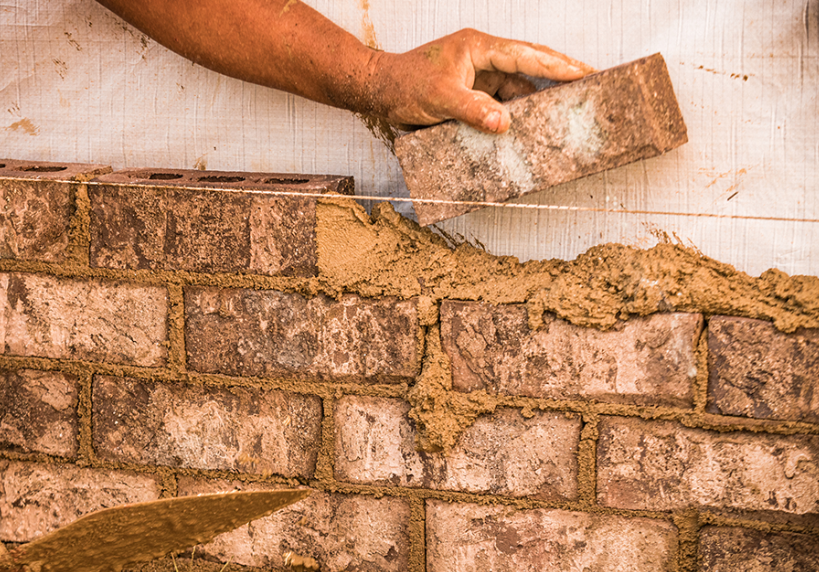
Building a block wall may seem straightforward, but getting the material quantities right can make a significant difference to the overall project. Mortar is one of the most important materials in masonry because it fills the joints between blocks, creates a bond, and helps keep the finished wall stable and properly aligned.
One common mistake during planning is estimating mortar based only on the number of blocks. While block quantity is certainly important, factors such as block dimensions, wall size, joint thickness, mortar type, and material waste can all affect the final amount required.
Why Accurate Mortar Estimation Matters
Ordering too little mortar can interrupt construction and create unnecessary delays. On the other hand, ordering significantly more than necessary can increase material costs and leave you with unused supplies.
An accurate estimate allows homeowners, contractors, and DIY builders to plan their material purchases more efficiently. It also makes it easier to compare the cost of premixed mortar with mixing cement, lime, and sand on-site.
For block walls, the calculation becomes especially useful because concrete blocks are available in different sizes and thicknesses. A standard 8 × 8 × 16-inch block, for example, requires a different amount of mortar than smaller or larger masonry units.
See also: Tech!Espresso: Calgary’s Premier In-Home Computer Repair Experts
What Information Do You Need Before Calculating?
Before estimating mortar, collect a few basic measurements:
- Wall length
- Wall height
- Wall thickness
- Block length, height, and width
- Mortar joint thickness
- Type of mortar being used
- Expected material waste
Measuring these dimensions carefully is important. Even a small change in joint thickness can affect the amount of mortar needed across an entire wall.
For a standard block wall, 3/8-inch joints are commonly used, but the actual specification should match the project requirements and masonry layout.
How Mortar Quantity Is Estimated
A basic approach starts by calculating the total volume of the wall and then accounting for the volume occupied by the masonry blocks. The remaining space represents the approximate volume that needs to be filled with mortar.
The general concept is:
Wall volume − Block volume = Wet mortar volume
The calculation can become more complicated when there are different block dimensions, openings, varying joint sizes, or irregular masonry units. This is why using a dedicated calculator can be more practical than performing every calculation manually.
A useful mortar calculator for block projects can take the wall dimensions and block specifications into account and provide an estimate of the mortar required. This can help reduce the amount of manual calculation required during the planning stage.
Don’t Forget the Waste Factor
No construction project uses materials with perfect efficiency. Some mortar may be spilled, dropped, left in containers, or lost while working around corners and openings.
For that reason, it is sensible to include a waste allowance in the estimate. A typical starting point for straightforward masonry work is around 10%, although the appropriate allowance can vary depending on the complexity of the project and the experience of the crew.
Irregular stonework or projects with difficult access may require a larger allowance, while repetitive block construction with experienced workers may produce less waste.
Choosing the Right Mortar Type
Mortar isn’t simply one universal mixture. Different mortar types are designed for different applications.
Type N is commonly associated with general above-grade masonry, while Type S is often used where greater strength is required, such as certain foundations and retaining-wall applications. Type M provides higher compressive strength for demanding structural applications, while Type O is softer and can be appropriate for some interior or historic masonry work.
The correct choice should always be based on the requirements of the specific project rather than simply choosing the strongest available mixture.
Block Size Can Change the Estimate
Block dimensions have a direct effect on mortar consumption. Larger blocks generally cover more wall area with fewer joints, while smaller masonry units create more joints across the same surface area.
For example, a typical 8-inch concrete block wall has different mortar requirements than a wall constructed from 4-inch or 12-inch blocks. Wall thickness and the configuration of the masonry also need to be considered.
This is one reason why simple rules such as “one bag per certain number of blocks” should be treated as rough estimates rather than universal formulas.
Manual Calculation vs. Using a Calculator
Manual calculations are useful when you want to understand how the estimate is produced, but they can become time-consuming for larger projects.
A calculator can simplify the process by allowing you to enter the relevant dimensions and receive an estimated material requirement. It is particularly useful during the planning stage when you are comparing different wall dimensions or block sizes.
However, digital estimates should still be treated as planning figures. Actual material requirements can vary because of site conditions, workmanship, block dimensions, joint thickness, and material properties.
A Simple Checklist Before Buying Materials
Before placing an order, review the following:
- Measure the wall twice.
- Confirm the exact block dimensions.
- Check the planned mortar joint thickness.
- Determine the appropriate mortar type.
- Account for doors, windows, and other openings.
- Include a reasonable waste factor.
- Compare the estimated quantity with supplier packaging.
- Keep project specifications and local masonry requirements in mind.
Taking a few extra minutes to verify these details can prevent expensive last-minute material runs.
Final Thoughts
Accurate material planning is an important part of any successful masonry project. Mortar requirements depend on much more than simply counting blocks. Wall dimensions, block size, joint thickness, mortar type, and expected waste can all influence the final quantity.
In a city like Seattle, where construction projects must account for a cool, wet climate, careful material planning can be especially useful when scheduling masonry work and preparing materials.
Whether you’re planning a large construction project or a small retaining wall repair in Seattle, calculating the mortar requirement before purchasing materials can make the process more organized and cost-effective. A dedicated calculator can also provide a convenient starting point for estimating the materials needed before work begins.